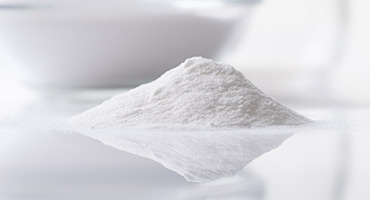
Aspartame

Aspartame is an artificial sweetener used as a sugar substitute in many low-calorie and sugar-free foods and beverages, known for its intense sweetness and low caloric content.

  • Diabetic

  • Metabolism

  • Weight management

Origin of Ingredient

Aspartame was first discovered in 1965 by chemist James M. Schlatter while working on anti-ulcer treatments. It is synthesized from two amino acids: aspartic acid and phenylalanine. Commercial production involves the chemical combination of these amino acids, resulting in a compound that is approximately 200 times sweeter than sugar.

History of Ingredient

Since its discovery, aspartame has undergone extensive testing and has been approved by regulatory authorities worldwide. It was first approved for use in dry goods in 1981 by the FDA and later for carbonated beverages in 1983. Aspartame has been a popular sugar substitute in various products, including diet sodas, sugar-free gum, and low-calorie desserts.

Scientific Makeup of Ingredient

Aspartame is composed of aspartic acid, phenylalanine, and methanol. These components are naturally occurring amino acids and alcohol, which the body metabolizes. Aspartame’s chemical structure allows it to provide a sweet taste without the calories associated with sugar, making it a preferred choice for low-calorie and sugar-free products.

Research indicates that aspartame can aid in weight management by allowing individuals to enjoy sweet foods and beverages without the added calories. Studies also show that it does not significantly affect blood glucose levels, making it suitable for people with diabetes. Additionally, because it does not contribute to tooth decay, aspartame is often recommended for dental health.

Aspartame is approved for use in over 100 countries, including the United States, European Union, and Japan. It is considered safe for consumption by major health organizations, including the FDA, EFSA, and WHO. Legal claims for aspartame include its benefits for calorie reduction, diabetes management, and dental health. However, products containing aspartame must carry a warning for individuals with phenylketonuria (PKU), a rare genetic disorder.

Similar ingredients

Branded

Verisol

Verisol

  • Enhances skin elasticity and reduces the appearance of wrinkles.
  • Promotes healthy hair and nails.
  • Supports overall skin hydration and smoothness.
  • Diabetic

  • Gut Health

  • Skin health

African Mango

African Mango

  • Aids in weight loss by reducing appetite and fat production.
  • Helps regulate blood sugar levels and improve insulin sensitivity.
  • Enhances cholesterol levels by lowering LDL (bad) cholesterol and increasing HDL (good) cholesterol.
  • Cardio health

  • Immune system

  • Weight management

BCAA

BCAA

  • Promotes muscle protein synthesis, aiding in muscle growth and repair.
  • Reduces muscle soreness and fatigue, enhancing workout recovery.
  • Prevents muscle breakdown, especially during intense exercise or fasting periods.
  • Cardio health

  • Metabolism

  • Workout performance

Copper

Copper

  • Promotes healthy skin and hair
  • Aids in red blood cell production
  • Supports immune health
  • Immune system

  • Metabolism

  • Skin health

Beta-Carotene

Beta-Carotene

  • Supports eye health and prevents age-related macular degeneration.
  • Acts as an antioxidant, protecting cells from damage.
  • Enhances immune system function.
  • Diabetic

  • Immune system

  • Sleep

Garlic

Garlic

  • Supports heart health by lowering cholesterol and blood pressure.
  • Boosts the immune system and fights infections.
  • Reduces inflammation and provides antioxidant protection.
  • Cardio health

  • Digestion

  • Metabolism

Acai Berry

Acai Berry

  • Acai berries are high in antioxidants, which help neutralize harmful free radicals in the body.
  • Acai berries' high levels of anthocyanins can help lower cholesterol levels.
  • Acai berries may help manage weight by reducing appetite and boosting metabolism.
  • Digestion

  • Metabolism

  • Skin health

Iron

Iron

  • Supports the production of hemoglobin and healthy red blood cells.
  • Enhances energy levels and reduces fatigue.
  • Promotes cognitive function and overall well-being.
  • Bone health

  • Digestion

  • Metabolism

Sodium Ascorbate

Sodium Ascorbate

  • Provides potent antioxidant protection, helping to neutralize free radicals.
  • Supports immune system function and overall health.
  • Gentle on the stomach compared to other forms of vitamin C.
  • Anti-inflammatory

  • Digestion

  • Metabolism

Branded

Peak O2

Peak O2

  • Enhances physical performance and endurance.
  • Increases oxygen utilization and exercise capacity.
  • Reduces fatigue and improves recovery.
  • Immune system

  • Metabolism

  • Mood regulation