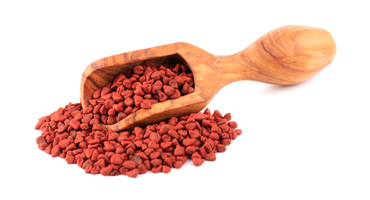
Liquorice

Liquorice is a sweet-tasting root derived from the Glycyrrhiza glabra plant, known for its soothing properties and use in traditional medicine for treating various ailments.

  • Anti-inflammatory

  • Digestion

  • Skin health

Origin of Ingredient

Liquorice is sourced from the root of the Glycyrrhiza glabra plant, native to parts of Europe and Asia. The roots are harvested, dried, and processed to extract the beneficial compounds. Traditional methods ensure the preservation of its natural properties.

History of Ingredient

Historically, liquorice has been used in ancient Egypt, China, and Greece for its medicinal properties. It was employed to treat various ailments, including digestive issues, respiratory conditions, and infections. Liquorice has also been used as a flavoring agent in sweets and beverages for centuries.

Scientific Makeup of Ingredient

Liquorice root contains glycyrrhizin, a compound responsible for its sweet taste and medicinal properties. It also contains flavonoids, saponins, and other beneficial phytochemicals. These compounds contribute to its anti-inflammatory, soothing, and antioxidant effects.

Studies have demonstrated that liquorice can effectively soothe gastrointestinal issues, reduce symptoms of indigestion, and aid in the healing of ulcers. Research also indicates that it supports respiratory health by reducing inflammation and soothing the throat. Additionally, liquorice’s antioxidant properties help protect the body from oxidative stress and support overall health.

Liquorice is widely approved for use in food products and dietary supplements in many countries, including the United States, the European Union, and various Asian nations. Legal claims about liquorice include its benefits for digestive health, respiratory support, and antioxidant protection. Always ensure compliance with local regulatory guidelines when making specific health claims.

Similar ingredients

Vitamin E

Vitamin E

  • Supports immune function and helps fight infections.
  • Acts as a powerful antioxidant, protecting cells from free radical damage.
  • Promotes skin health by improving moisture and reducing inflammation.
  • Anti-inflammatory

  • Immune system

  • Skin health

Phosphatidylserine

Phosphatidylserine

  • Enhances cognitive function and mental clarity.
  • Supports memory and learning abilities.
  • Reduces stress and promotes a balanced mood.
  • Brain health

  • Metabolism

  • Skin health

Branded

Verisol

Verisol

  • Enhances skin elasticity and reduces the appearance of wrinkles.
  • Promotes healthy hair and nails.
  • Supports overall skin hydration and smoothness.
  • Diabetic

  • Gut Health

  • Skin health

D-Aspartic acid

D-Aspartic acid

  • Enhances muscle growth
  • Boosts testosterone levels naturally.
  • Supports improved athletic performance and recovery.
  • Metabolism

  • Skin health

  • Workout performance

Ginger

Ginger

  • Digestive comfort botanical with centuries of food use.
  • Standardised extracts specify 5% or more gingerols.
  • On-hold botanical claims currently usable in the UK and EU.
  • Anti-inflammatory

  • Digestion

  • Immune system

Iron

Iron

  • Supports the production of hemoglobin and healthy red blood cells.
  • Enhances energy levels and reduces fatigue.
  • Promotes cognitive function and overall well-being.
  • Bone health

  • Digestion

  • Metabolism

Vitamin B Complex

Vitamin B Complex

  • Boosts energy levels and combats fatigue.
  • Supports brain function and mental clarity.
  • Promotes healthy skin, hair, and nails.
  • Brain health

  • Skin health

  • Workout performance

Achiote (Annatto)

Achiote (Annatto)

  • Provides a vibrant red-orange color to foods and cosmetics without synthetic dyes.
  • Contains compounds such as bixin and norbixin, which have antioxidant properties that help protect cells against oxidative damage.
  • Traditional uses include treating stomach issues and enhancing digestion.
  • Anti-inflammatory

  • Thyroid

  • Weight management

Tremella

Tremella

  • Promotes skin hydration and elasticity, making it beneficial for maintaining youthful skin.
  • Supports immune function due to its high polysaccharide content.
  • Acts as an antioxidant, helping to protect cells from oxidative stress.
  • Anti-inflammatory

  • Immune system

  • Skin health

Vitamin B3 (Niacin)

Vitamin B3 (Niacin)

  • Supports energy production and metabolism.
  • Maintains healthy skin and nervous system.
  • Promotes cardiovascular health by managing cholesterol levels.
  • Cardio health

  • Digestion

  • Workout performance