L-Tyrosine
L-Tyrosine is a catecholamine-precursor amino acid used in focus, stress and pre-workout formulations.


Brain health

Mood regulation

Thyroid
What it is
L-Tyrosine is a non-essential amino acid and the direct precursor to the catecholamine neurotransmitters dopamine, noradrenaline and adrenaline, as well as to thyroid hormones. It features heavily in nootropic, focus and pre-workout briefs, where the formulation logic is supporting neurotransmitter synthesis during demanding conditions.
Forms and sourcing
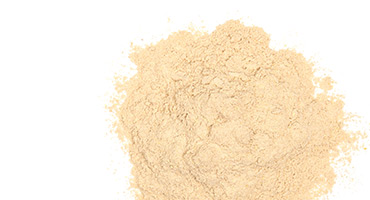
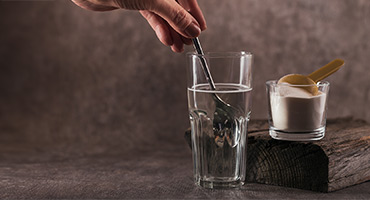
Plain L-tyrosine is a fermentation-derived crystalline powder. Its main formulation quirk is poor water solubility, which matters for clear beverages; N-acetyl L-tyrosine (NALT) is the more soluble derivative sometimes specified for liquid applications, though plain tyrosine remains the better-studied material. Both are available vegan and allergen-free with full certificates of analysis.
Benefits and evidence
Human research on tyrosine concentrates on cognitive performance under acute stressors such as cold, noise and sleep loss, typically at doses of 100–150 mg per kilogram of body weight in laboratory settings. Commercial formulations use more conservative amounts. As with most single amino acids, the evidence is directional rather than claim-ready.
Typical dosage and formats
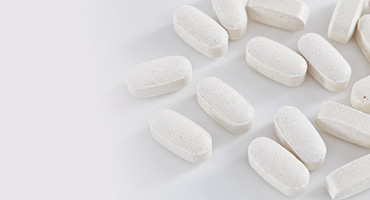
Typical inclusions run 500–2,000 mg per serving, with 500–1,000 mg common in nootropic capsules and 1–2 g in pre-workout powders. Tyrosine presses and encapsulates cleanly; in powders it needs adequate mixing validation at higher inclusions. It pairs naturally with caffeine, theanine and B vitamins.
UK and EU regulatory position
L-Tyrosine is an established food ingredient in the UK and EU, permitted in food supplements without novel food authorisation. There are no authorised EFSA health claims for tyrosine, so packs cannot attribute focus or stress effects to the ingredient; compliant claim structures usually run through pantothenic acid, B6, B12 or caffeine in the same formulation. Products positioned around thyroid support need particular care to stay on the right side of medicinal claims; our regulatory review handles this at the artwork stage.