Carochoc

CaroChoc is a natural ingredient derived from carob, known for its chocolate-like flavor and health benefits. It is rich in fiber and antioxidants, making it a nutritious alternative to cocoa.

  • Cardio health

  • Immune system

  • Metabolism

Origin of CaroChoc

CaroChoc is derived from the carob tree (Ceratonia siliqua), native to the Mediterranean region. The carob pods are harvested, dried, and ground into a powder that resembles cocoa powder.

History of CaroChoc

Carob has been used for thousands of years, dating back to ancient Egypt, where it was utilized as a sweetener. In the early 20th century, carob became popular as a caffeine-free alternative to chocolate. CaroChoc leverages the natural properties of carob to provide a healthier chocolate substitute.

Scientific Makeup of CaroChoc

CaroChoc is rich in carbohydrates, dietary fiber, and polyphenols. Unlike cocoa, it contains no caffeine or theobromine, making it suitable for those avoiding stimulants. It is also low in fat and sugar, providing a healthier alternative to traditional chocolate.

CaroChoc mimics the taste of chocolate without the stimulants found in cocoa, making it suitable for children and those sensitive to caffeine.CaroChoc is high in fiber, which aids in digestion and promotes a healthy gut microbiome.The polyphenols in CaroChoc act as antioxidants, helping to protect cells from oxidative stress and reduce inflammation.

In the United States and Europe, CaroChoc can legally claim to be a caffeine-free alternative to chocolate, rich in fiber and antioxidants. It is approved for use in various food products, including baked goods and confectionery. Specific labeling requirements may apply in different regions, such as indicating its carob content.

Similar ingredients

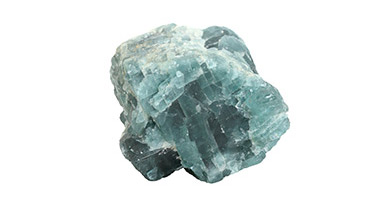
Fluoride

Fluoride

  • Prevents tooth decay and cavities.
  • Strengthens tooth ename
  • Helps in the remineralization of early dental caries.
  • Brain health

  • Metabolism

  • Weight management

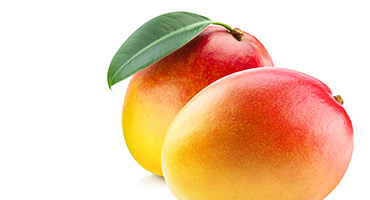
Mango

Mango

  • Supports healthy digestion.
  • Boosts immune function.
  • Promotes skin health.
  • Digestion

  • Immune system

  • Skin health

Coenzyme Q10

Coenzyme Q10

  • Central cofactor in mitochondrial energy production.
  • Ubiquinone and ubiquinol grades for different briefs.
  • Best delivered in oil-based softgels for absorption.
  • Cardio health

  • Metabolism

  • Workout performance

Lactobacillus

Lactobacillus

  • Supports gut health.
  • Enhances immune function.
  • Aids digestion.
  • Digestion

  • Gut Health

  • Immune system

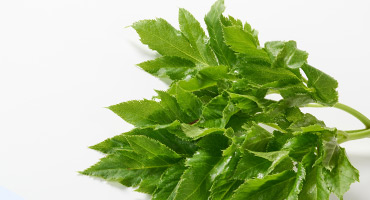
Ashitaba

Ashitaba

  • Supports healthy aging with its antioxidant properties.
  • Promotes digestive health and supports liver function.
  • Enhances immune system response.
  • Digestion

  • Immune system

  • Metabolism

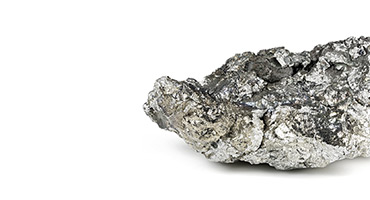
Manganese

Manganese

  • Supports bone health and development.
  • Aids in metabolism and energy production.
  • Provides antioxidant protection.
  • Bone health

  • Metabolism

  • Weight management

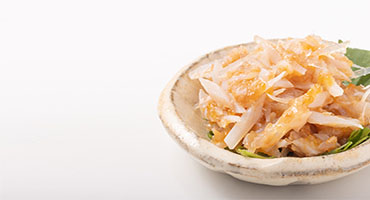
Shark Cartilage Powder

Shark Cartilage Powder

  • Supports joint health and mobility by providing natural compounds that promote cartilage integrity.
  • May possess anti-inflammatory properties, helping to reduce joint pain and stiffness.
  • Contains proteins that support the maintenance of healthy cartilage.
  • Anti-inflammatory

  • Bone health

  • Metabolism

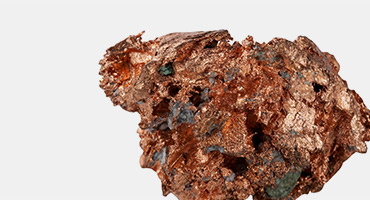
Copper

Copper

  • Promotes healthy skin and hair
  • Aids in red blood cell production
  • Supports immune health
  • Immune system

  • Metabolism

  • Skin health

Lycopene

Lycopene

  • Supports cardiovascular health by improving cholesterol levels
  • Provides antioxidant protection, helping to neutralize free radicals
  • May reduce the risk of certain cancers,
  • Anti-inflammatory

  • Cardio health

  • Digestion

Iodine

Iodine

  • Supports healthy thyroid function and hormone production.
  • Regulates metabolism and energy levels.
  • Promotes cognitive development and function.
  • Digestion

  • Metabolism

  • Thyroid