Kale

Kale is a leafy green vegetable from the Brassica family, known for its rich nutrient profile and numerous health benefits, including antioxidant support, anti-inflammatory properties, and heart health.

  • Anti-inflammatory

  • Cardio health

  • Immune system

Origin of Ingredient

Kale originated in the eastern Mediterranean and Asia Minor, where it has been cultivated for over 2,000 years. It is now grown worldwide, thriving in cooler climates. Kale is a hardy plant that can withstand frost, which often improves its flavor. It is typically harvested in the fall and winter months.

History of Ingredient

Historically, kale was a staple food in ancient Rome and Greece. It was brought to North America by early European settlers. During World War II, kale gained popularity in the United Kingdom as a nutrient-dense food that could be grown in home gardens. Today, it is celebrated as a superfood due to its high nutrient content and health benefits.

Scientific Makeup of Ingredient

Kale is rich in vitamins A, C, and K, as well as minerals like calcium, potassium, and magnesium. It contains powerful antioxidants such as quercetin and kaempferol, which help combat oxidative stress. Additionally, kale is high in fiber and contains beneficial compounds like sulforaphane, known for its cancer-fighting properties.

Research has shown that the antioxidants in kale can help reduce oxidative stress and inflammation in the body. Studies have demonstrated its potential to lower cholesterol levels, support heart health, and improve overall cardiovascular function. The high vitamin K content in kale is essential for bone health and blood clotting. Furthermore, the fiber in kale promotes digestive health and helps regulate blood sugar levels.

Kale is widely approved for use in food products and dietary supplements in many countries, including the United States, Canada, and the European Union. Legal claims about kale include its benefits for antioxidant support, anti-inflammatory properties, and heart health. Always ensure compliance with local regulatory guidelines when making specific health claims.


Similar ingredients

Arjuna Bark

Arjuna Bark

  • Enhances cardiovascular function and strengthens the heart muscles.
  • Helps maintain healthy blood pressure levels.
  • Anti-inflammatory

  • Cardio health

  • Diabetic

Beta-Carotene

Beta-Carotene

  • Supports eye health and prevents age-related macular degeneration.
  • Acts as an antioxidant, protecting cells from damage.
  • Enhances immune system function.
  • Diabetic

  • Immune system

  • Sleep

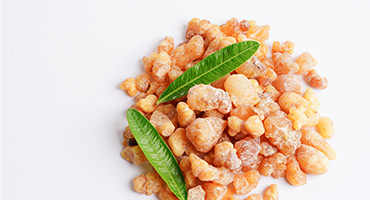
Boswellia Serrata

Boswellia Serrata

  • Reduces inflammation and joint pain.
  • Supports respiratory health.
  • Enhances digestive health.
  • Anti-inflammatory

  • Digestion

  • Workout performance

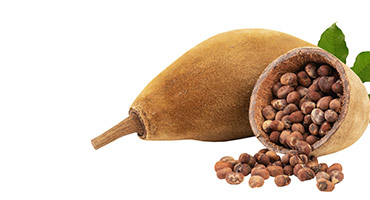
Baobab

Baobab

  • Rich in vitamin C, baobab supports immune health.
  • Contains high levels of fiber, promoting gut health.
  • Packed with antioxidants that protect cells from damage.
  • Digestion

  • Immune system

  • Metabolism

Noni

Noni

  • Supports immune function.
  • Provides antioxidant protection.
  • Promotes digestive health.
  • Anti-inflammatory

  • Digestion

  • Immune system

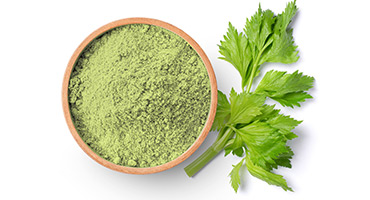
Celery Seed Powder

Celery Seed Powder

  • Supports Joint Health
  • Acts as a Powerful Antioxidant
  • Aids in Digestion
  • Anti-inflammatory

  • Bone health

  • Digestion

Algae Oil

Algae Oil

  • Algae Oil can significantly reduce triglyceride levels, promoting heart health.
  • Rich in DHA enhances cognitive functions and mental clarity.
  • Helps reduce inflammation throughout the body, aiding overall health maintenance.
  • Brain health

  • Cardio health

  • Digestion

Passiflora

Passiflora

  • Promotes relaxation and reduces anxiety.
  • Supports restful and restorative sleep.
  • Helps alleviate symptoms of mild insomnia.
  • Anti-inflammatory

  • Mood regulation

  • Sleep

Ginger

Ginger

  • Digestive comfort botanical with centuries of food use.
  • Standardised extracts specify 5% or more gingerols.
  • On-hold botanical claims currently usable in the UK and EU.
  • Anti-inflammatory

  • Digestion

  • Immune system

Coenzyme Q10

Coenzyme Q10

  • Central cofactor in mitochondrial energy production.
  • Ubiquinone and ubiquinol grades for different briefs.
  • Best delivered in oil-based softgels for absorption.
  • Cardio health

  • Metabolism

  • Workout performance