Turmeric

Turmeric (Curcuma longa) is a bright yellow spice commonly used in cooking and traditional medicine. It is renowned for its potent anti-inflammatory and antioxidant properties, primarily due to the active compound curcumin.

  • Anti-inflammatory

  • Digestion

  • Metabolism

Origin of Ingredient

Turmeric is native to Southeast Asia, particularly India, where it has been cultivated for thousands of years. The rhizomes of the Curcuma longa plant are harvested, boiled, dried, and ground into a fine powder. Turmeric is a staple in Ayurvedic and traditional Chinese medicine and is widely used in Indian cuisine.

History of Ingredient

Historically, turmeric has been used in traditional medicine for its healing properties and in religious ceremonies for its vibrant color. It has been a key component in Ayurvedic medicine, used to treat various ailments such as arthritis, digestive disorders, and skin conditions. The spice gained global recognition for its health benefits and is now a popular supplement and ingredient in natural health products.

Scientific Makeup of Ingredient

The primary active compound in turmeric is curcumin, which gives turmeric its distinctive yellow color. Curcumin is known for its strong anti-inflammatory and antioxidant effects. Turmeric also contains other beneficial compounds like volatile oils, which contribute to its therapeutic properties. However, curcumin’s bioavailability is relatively low, and it is often combined with black pepper extract (piperine) to enhance absorption.

Extensive research has demonstrated that curcumin can significantly reduce inflammation, making it effective for managing conditions like arthritis. Its antioxidant properties help neutralize free radicals, protecting cells from damage and supporting overall health. Studies also indicate that turmeric can improve digestive health by stimulating bile production and supporting liver function. Additionally, curcumin has been investigated for its potential anti-cancer properties and its ability to support brain health by enhancing cognitive function and reducing the risk of neurodegenerative diseases.

Turmeric is widely approved for use in dietary supplements and food products in many countries, including the United States, the European Union, and Asian nations. Legal claims regarding turmeric include its anti-inflammatory benefits, antioxidant protection, and support for digestive health. It is essential to adhere to local regulatory guidelines when making specific health claims about turmeric and curcumin.

Similar ingredients

D-Biotin (Vitamin B7)

D-Biotin (Vitamin B7)

  • Enhances overall well-being by maintaining proper bodily functions.
  • Supports healthy hair, skin, and nails.
  • Aids in metabolic processes
  • Digestion

  • Metabolism

  • Skin health

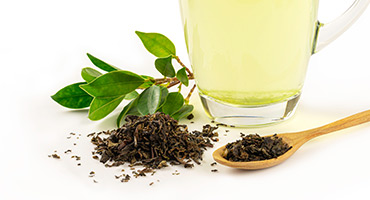
Green Tea

Green Tea

  • Rich in antioxidants that protect against cell damage.
  • Boosts metabolism and aids in weight management.
  • Supports cardiovascular health.
  • Anti-inflammatory

  • Cardio health

  • Metabolism

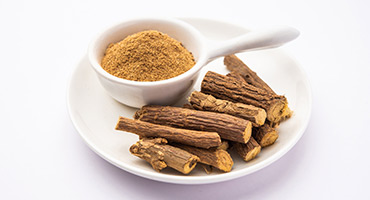
Liquorice

Liquorice

  • Soothes gastrointestinal issues such as indigestion and ulcers.
  • Provides antioxidant properties that help protect the body from oxidative stress.
  • Supports respiratory health
  • Anti-inflammatory

  • Digestion

  • Skin health

Magnesium Oxide

Magnesium Oxide

  • Relieves heartburn and indigestion.
  • Supports bone and muscle health.
  • Promotes regular bowel movements.
  • Bone health

  • Digestion

  • Workout performance

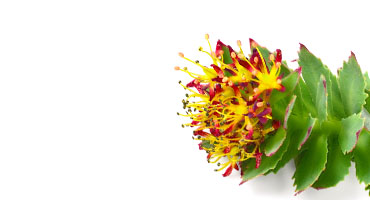
Rhodiola Rosea

Rhodiola Rosea

  • Enhances mental performance and cognitive function.
  • Reduces fatigue and boosts energy levels.
  • Supports resilience against physical and mental stress.
  • Brain health

  • Metabolism

  • Skin health

Ferrous citrate

Ferrous citrate

  • Treats and prevents iron deficiency anemia.
  • Enhances energy levels and reduces fatigue.
  • Supports healthy red blood cell production.
  • Brain health

  • Immune system

  • Metabolism

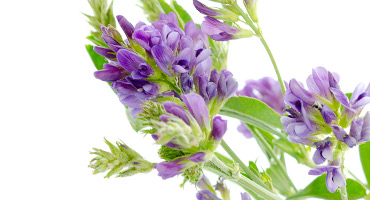
Alfalfa Powder

Alfalfa Powder

  • Enhances liver and blood cleansing through high saponin content that removes toxins and hormones.
  • Promotes balance during hormonal shifts like menopause, using natural phytoestrogens to mimic estrogen.
  • Alleviates menopause symptoms by stabilizing hormonal levels.
  • Anti-inflammatory

  • Metabolism

  • Weight management

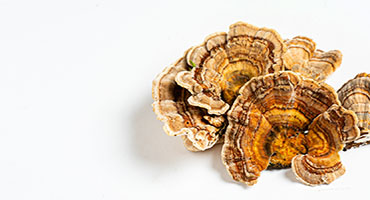
Turkey Tail

Turkey Tail

  • Enhances immune system function, helping the body to fight infections and diseases.
  • Provides antioxidant protection, reducing oxidative stress and supporting cellular health.
  • Supports gut health by promoting a healthy balance of gut bacteria.
  • Anti-inflammatory

  • Gut Health

  • Immune system

Ginger

Ginger

  • Digestive comfort botanical with centuries of food use.
  • Standardised extracts specify 5% or more gingerols.
  • On-hold botanical claims currently usable in the UK and EU.
  • Anti-inflammatory

  • Digestion

  • Immune system

Delayed Release Capsules (DR Caps)

Delayed Release Capsules (DR Caps)

  • Protects sensitive ingredients from stomach acid.
  • Provides a vegetarian and clean-label delivery system.
  • Enhances the bioavailability
  • Anti-inflammatory

  • Brain health

  • Weight management