EAA
Essential amino acid blends supply all nine EAAs the body cannot make, superseding plain BCAA products in modern sports briefs.


Metabolism

Workout performance
What it is
EAA products supply the nine essential amino acids the body cannot synthesise, including the three branched-chain amino acids. They have progressively displaced plain BCAA products in sports briefs, reflecting research showing that muscle protein synthesis needs the full essential set, not just the branched three. EAAs appear in intra-workout, recovery and increasingly in healthy-ageing formulations.
Forms and sourcing
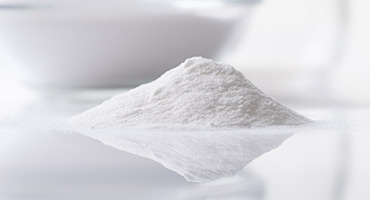
The blend is assembled from individual fermentation-derived, vegan amino acids, which lets a brief specify its own ratio. Typical designs anchor on leucine, then weight the remaining EAAs around it. Instantised grades and effective flavour systems matter, because several amino acids are intensely bitter; masking is where EAA powders are won or lost.
Benefits and evidence
The muscle protein synthesis literature supports complete EAA feeding, with leucine as the primary trigger; studies typically deliver 6–15 g of EAAs with 1.8–3 g of leucine. As a category rather than a single substance, EAAs carry no authorised claims of their own, though finished products that also qualify as protein sources can inherit protein claims.
Typical dosage and formats
Typical servings run 5–15 g with leucine at 2–3 g. Flavoured powders and stick packs dominate; capsules cannot practically carry a full dose. Solubility and foam control in instantised blends are standard parts of our powder development process.
UK and EU regulatory position
The constituent amino acids are established food ingredients in the UK and EU, permitted in supplements without novel food authorisation. There are no authorised EFSA claims for EAAs or individual amino acids in this context, so muscle-growth language must come from qualifying protein content or stay off-pack. Formulations combining EAAs with a qualifying protein base can use the authorised protein and muscle mass claims. Our labelling review structures this at the specification stage.