Pea Protein
Pea protein is the leading plant protein in our quote data, carrying authorised muscle-mass claims with strong allergen and sustainability credentials.


Metabolism

Weight management

Workout performance
What it is
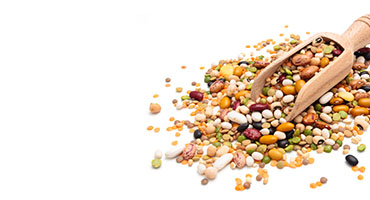
Pea protein is extracted from yellow split peas and has become the default plant protein in new product briefs, ahead of soy and rice. It offers a strong amino acid profile that is rich in lysine and BCAAs, is naturally free of dairy, gluten and soy allergens, and carries better sustainability credentials than most animal proteins.
Forms and sourcing
The standard grade is pea protein isolate at 80%+ protein, with concentrates available for cost-led briefs. Its historic weakness, a beany flavour note, has largely been solved by modern processing and flavour systems. European-origin material is available for briefs that specify EU/UK supply chains. Pairing with rice protein produces a complete amino acid profile comparable to whey.
Benefits and evidence
Because pea protein isolate qualifies as a source of protein, products can carry the authorised EFSA claims that protein contributes to the growth and maintenance of muscle mass and to the maintenance of normal bones, subject to the product meeting the protein-content conditions. Comparative studies against whey at matched protein doses support its use in sports formulations.
Typical dosage and formats
Typical servings run 15–30 g in shakes and meal replacements. Pea protein is the base of powder briefs but also appears at lower inclusions in bars and high-protein blends. It is a powder-first ingredient; our powder and stick pack lines handle it routinely, including flavoured and instantised systems.
UK and EU regulatory position
Pea protein is an established food ingredient in the UK and EU and is not a novel food. Protein claims require the product to derive at least 12% of its energy from protein (source) or 20% (high protein), which isolate-based formulations meet comfortably. Pea protein contains no major listed allergens, though factory cross-contact statements should reflect the full production environment. Our specifications state protein content on an as-is and dry basis to keep label claims verifiable.