
Indian Sailors Freed in Iran; Strait of Hormuz Disruptions Threaten Supplement Ingredient Supply
The release of 10 Indian sailors from Iranian detention highlights ongoing geopolitical tensions in the Strait of Hormuz, a critical chokepoint for essential supplement ingredient shipments into India and other markets.
Mumbai, India — 18 March 2026
Ten Indian sailors, detained in Iran since July 2025, have been released following diplomatic efforts. The MV Harbour Phoenix crew were held near Jask Port, with the incident underscoring the precarious security situation in the Gulf. This development occurs against a backdrop of increasing Iranian interception of vessels in the region, including actions related to alleged illegal fuel transport. India, a strategic partner to both Iran and Western nations, maintained a policy of minimal public comment during the negotiations.
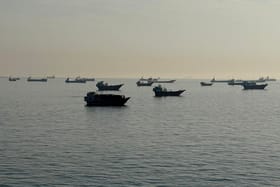
The Strait of Hormuz, a narrow passage connecting the Persian Gulf with the open sea, remains a focal point for geopolitical tension. Approximately one-fifth of the world's oil and liquefied natural gas (LNG) shipments, along with a substantial volume of raw materials and finished goods, traverse this chokepoint. Iranian forces have imposed restrictions and increased their presence since February 2026, directly impacting maritime traffic. India, as the world's third-largest oil buyer, receives about half its crude through this strait, making it highly susceptible to any disruptions.
The broader implications for the supplement industry are significant. Many speciality ingredients, including marine-derived nutraceuticals, botanical extracts, and certain vitamin precursors, are either sourced from or shipped through Asian and Middle Eastern ports requiring transit via the Strait of Hormuz. Increased security risks and potential interdictions translate directly into higher insurance premiums for shipping, longer transit times due to rerouting or delays, and elevated operational costs for carriers.
Brand owners and manufacturers must factor these escalating logistical complexities into their procurement strategies. Diversification of supply chains, increased safety stock levels, and reassessment of lead times are prudent steps to mitigate risk. Failure to adapt could result in stock-outs, increased cost of goods sold (COGS), and potential market share erosion due to inconsistent product availability.
What this means for United Kingdom
UK supplement manufacturers and brand owners face increased landed costs for ingredients from Asia and the Middle East, with potential freight surcharges of 8-12% and extended lead times of up to three weeks. Procurement teams should immediately review Incoterms and consider ex-works or FOB arrangements to better control inbound logistics. Regulatory compliance, particularly for novel food ingredients or those with short shelf lives, could be challenged by unpredictable shipping delays. Brands might leverage this instability by promoting domestically sourced ingredients where feasible, enhancing supply chain resilience and potentially securing a competitive advantage against those heavily reliant on external, volatile transit routes.
The incident also highlights an ongoing pattern of state-level intervention in commercial shipping in the region, reinforcing concerns about supply chain resilience for critical inputs. The continued presence of Indian merchant navy personnel in Gulf shipping lanes, numbering in the thousands, also presents a humanitarian and commercial risk, should further detentions occur.
Brand owners increasingly rely on contract-manufacturing partners such as Supplement Factory to navigate these requirements.