
Profiling Holland & Barrett: Strengths, Weaknesses, and the Road Ahead
This B2B profile delves into Holland & Barrett's established presence in the health and wellness market. We examine its core strengths, pinpoint areas for improvement, and chart a strategic course for navigating future challenges and opportunities in the evolving retail landscape.
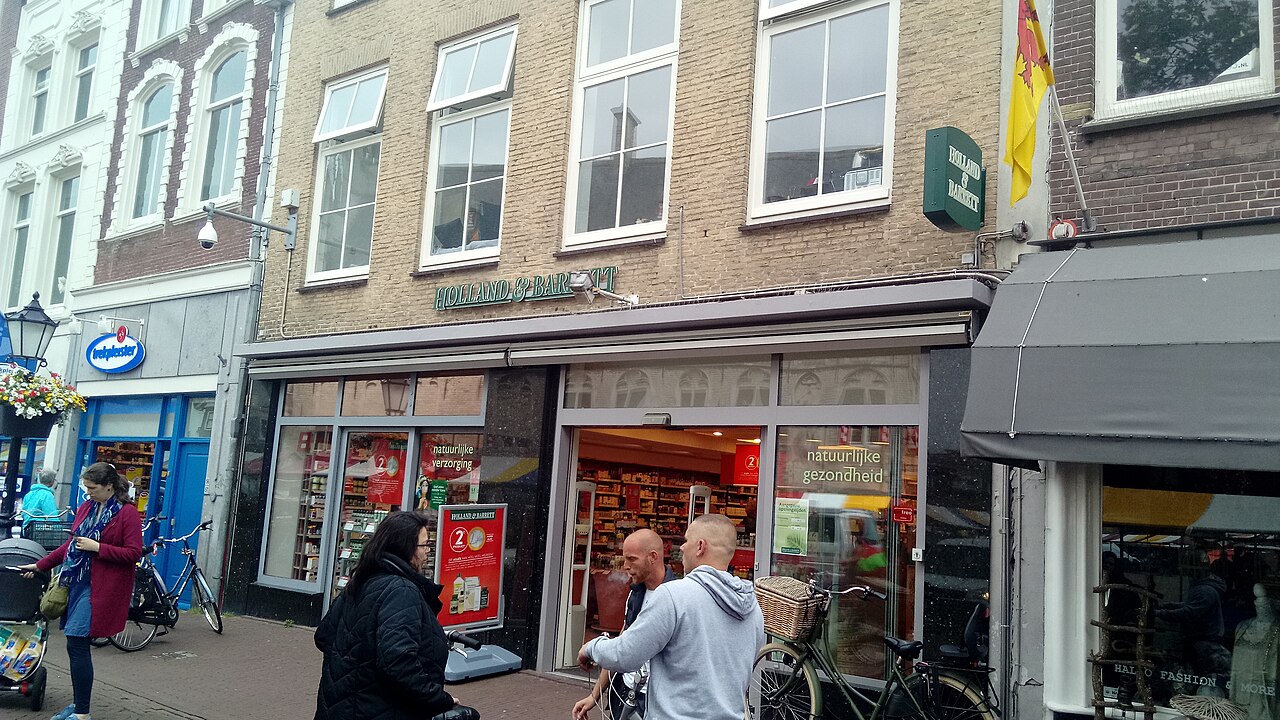
United Kingdom — 26 July 2026
Holland & Barrett remains a bellwether for the UK and European health and wellness retail sector. Its strategic pivots, particularly its aggressive own-label expansion and efforts to revitalise its physical store estate, offer crucial insights for the broader supplement industry. As a dominant high street presence, its performance and strategic direction directly influence supply chain dynamics, product development trends, and competitive landscapes for both established brands and agile newcomers.
Company Snapshot
| Attribute | Details |
|---|---|
| Headquarters | Nuneaton, UK |
| Estimated Revenue (FY2025) | £750-800 million (projected) |
| Key Brands/Products | Holland & Barrett (own-label), Planet Organic (acquired), various third-party supplement brands. Focus on vitamins, minerals, sports nutrition, and natural beauty. |
| Number of Markets | 19 (including franchise operations) |
| Employee Count | Approx. 7,000-8,000 |
Strategic Position and Recent Moves
Holland & Barrett’s strategy over the past 12-24 months has been characterised by a dual focus: shoring up its physical retail footprint and aggressively expanding its own-label portfolio. The acquisition of Planet Organic in September 2024 for an undisclosed sum, estimated by industry sources to be in the region of £10-15 million, signals an intent to diversify its high-street offering beyond supplements into broader health food and organic grocery, whilst leveraging Planet Organic’s established brand equity and premium positioning. This move directly counters the challenges posed by online retailers such as Amazon and specialist supplement e-commerce platforms like Myprotein.
Concurrently, the company has invested heavily in store refits, transforming traditional outlets into experience-led "wellness destinations," often featuring consultation rooms and expanded product ranges. This physical retail survival strategy aims to differentiate H&B from pure-play online competitors. Furthermore, the push into own-label products, particularly in areas like gut health, women's health, and personalised nutrition, has seen an increase in SKU count by an estimated 15% across these categories. This strategy, as noted by industry analyst Dr. Eleanor Vance, "allows Holland & Barrett to capture greater margin, control product narratives, and build deeper customer loyalty around its brand, rather than simply being a reseller of third-party goods." The company has also quietly entered several new European markets via franchise agreements, notably in the Baltics and Eastern Europe, seeking growth beyond the saturated UK market.
What Manufacturers Can Learn
Holland & Barrett's trajectory offers several critical lessons for contract manufacturers and ingredient suppliers. The aggressive own-label push indicates a reduced reliance on third-party brands, suggesting that future growth for external suppliers will increasingly hinge on their ability to offer white-label solutions, innovative ingredient formulations, or niche products that H&B cannot easily replicate. Manufacturers should focus on developing advanced ingredient delivery systems, sustainable sourcing practices, and novel formulations that align with emerging wellness trends, as these are areas where H&B may still seek external expertise. The emphasis on personalised nutrition and functional food integration within H&B’s strategy also highlights a shift away from single-ingredient supplements towards more complex, multi-benefit solutions. As Mr. David Chen, a procurement specialist, observes, "Suppliers who can demonstrate agility in R&D and offer end-to-end product development support, rather than just raw materials, will be best placed to secure future contracts."
Risks and Headwinds
Despite its proactive strategies, Holland & Barrett faces significant risks. The aggressive European expansion, particularly into fragmented and culturally diverse markets, carries inherent operational and regulatory complexities. Integrating the Planet Organic acquisition successfully, especially in terms of supply chain and brand harmonisation, will be challenging. Financially, the substantial investment in store refurbishments and own-label development places pressure on profitability in a high-inflation environment. Competition remains fierce, not only from online giants but also from mainstream supermarkets increasingly stocking health-focused ranges and discounters like Aldi and Lidl expanding into health and beauty. Furthermore, the inherent reputational risk associated with any missteps in the own-label portfolio could significantly damage consumer trust, especially given the sensitivity surrounding health products.
The B2B Verdict
Supplement businesses should certainly be watching Holland & Barrett closely. Its strategies provide a clear roadmap for navigating the evolving retail landscape. While direct competition with its own-label offerings will increase, opportunities for partnership exist in specialised ingredient supply, contract manufacturing for complex formulations, and innovative product development that complements, rather than duplicates, H&B's core range. For ingredient suppliers, understanding H&B’s product development pipeline is paramount. For brand owners, it signals a need for strong brand differentiation and multi-channel retail strategies beyond traditional high-street reliance.