
NOW Foods Unpacked: What Their Latest Moves Signal for the Industry
NOW Foods, a stalwart in the value and natural products sector, is making significant strategic moves. This article unpacks their latest initiatives, analyzing what these developments mean for B2B partners, competitors, and the broader industry landscape. Discover the implications for supply chains, product innovation, and market positioning.
United States — 21 May 2026
NOW Foods stands as a significant, often disruptive, force in the global supplement market. Their family-owned structure belies an aggressive commercial strategy focused on vertically integrated production and competitive pricing. This approach has allowed them to capture substantial market share across numerous categories, frequently setting price floors that challenge smaller brands and even larger competitors like Nature's Bounty and Garden of Life. Their operational scale and commitment to in-house manufacturing provide a blueprint, and a challenge, for the wider B2B supplement industry.
Company Snapshot
NOW Foods, headquartered in Bloomingdale, Illinois, operates as a privately held, family-owned entity. While specific revenue figures are not publicly disclosed, industry estimates place their annual turnover in the region of $1 billion USD. Key product categories include vitamins, minerals, sports nutrition, essential oils, and natural foods. The company markets its products in over 80 countries worldwide and employs an estimated 1,500-2,000 staff across its manufacturing, distribution, and administrative functions. Their primary brand remains NOW, with sub-brands for specific categories like NOW Sports and NOW Solutions.
Strategic Position and Recent Moves
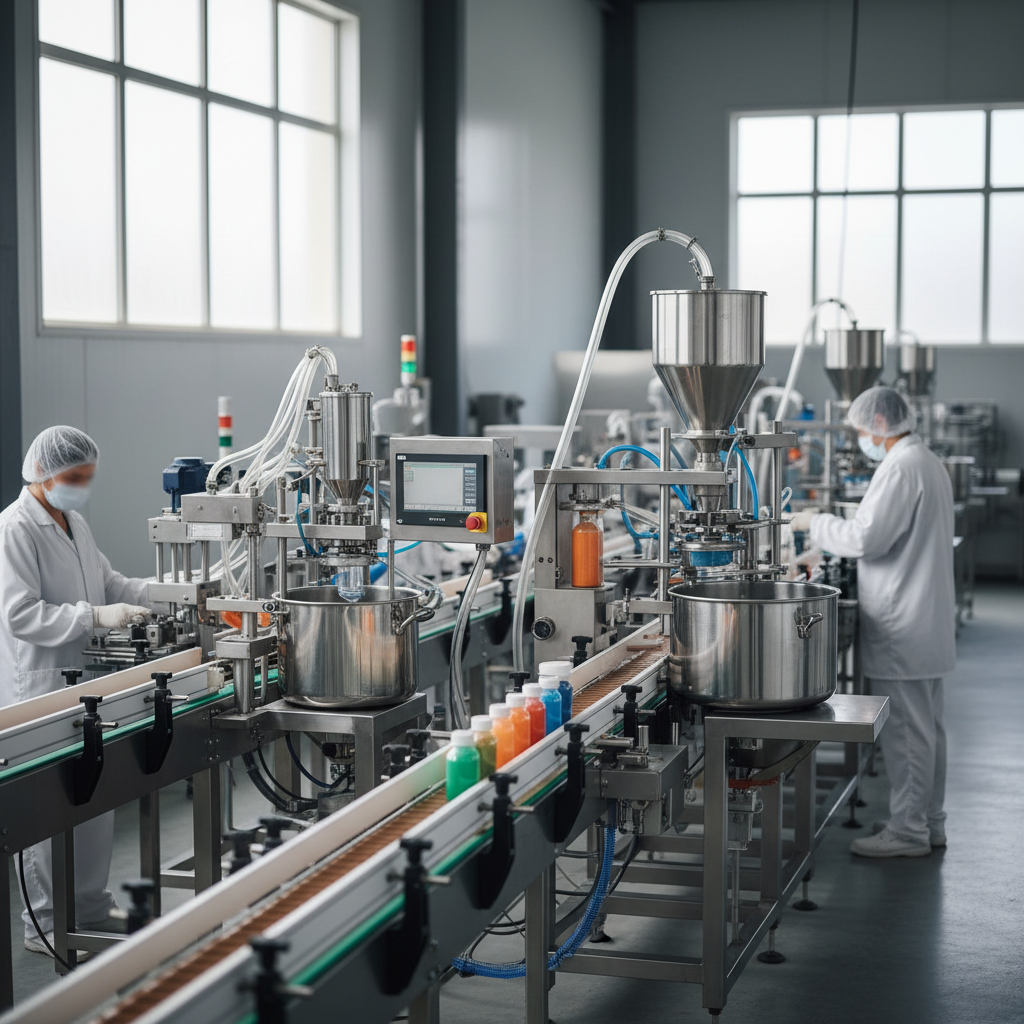
NOW Foods’ strategic position is anchored by its extensive vertical integration, which encompasses ingredient sourcing, in-house manufacturing, and quality control. This allows for significant cost efficiencies and control over product quality. In the last 12-24 months, their movements have underscored a continued focus on market consolidation and ingredient transparency. For instance, in Q3 2024, NOW announced a significant expansion of its existing manufacturing facilities in Sparks, Nevada, a £35 million investment aimed at increasing softgel and powder production capacity by 25%. This move directly targets the growing demand for convenient dosage formats and is a clear signal to contract manufacturers that NOW intends to internalise more of its production. Concurrently, their 'Tested, Trusted, Transparent' campaign, launched in Q1 2025, has highlighted their rigorous in-house testing protocols, subtly challenging competitors on quality assurance. "NOW Foods leverages its scale to create a formidable barrier to entry for new players, particularly in commodity-driven categories where price is paramount," observes Dr. Eleanor Vance, a senior analyst at Nutraceutical Insights. "Their consistent investment in infrastructure reinforces this advantage."
What Manufacturers Can Learn
The NOW Foods model offers several critical lessons for contract manufacturers and ingredient suppliers. Firstly, the emphasis on vertical integration demonstrates the long-term value of controlling the supply chain, from raw material to finished product. For contract manufacturers, this suggests a need to differentiate beyond mere assembly – perhaps through specialised technological capabilities or unique ingredient access – to avoid being undercut on price. Secondly, NOW's aggressive stance on quality testing and transparency sets a new benchmark for consumer expectations, compelling all market participants to elevate their own quality assurance processes. "Ingredient suppliers, in particular, must recognise that brands like NOW are increasingly demanding full traceability and robust scientific validation," states Marcus Thorne, CEO of Global Ingredient Solutions. "Simply supplying a commodity is no longer sufficient; partners must offer verifiable quality and supply chain integrity." The market is shifting towards brands that can demonstrate control and authenticity, a trend NOW Foods is actively driving.
Risks and Headwinds
Despite its strengths, NOW Foods faces several risks. As a large, visible player, it remains a target for regulatory scrutiny, particularly concerning product claims and ingredient purity, as evidenced by past industry-wide issues with ingredient adulteration. Their aggressive pricing strategy, while effective, compresses margins across the market, potentially leading to a race to the bottom that could compromise overall product quality or innovation. Furthermore, reliance on a broad portfolio of commodity ingredients exposes them to global supply chain disruptions and price volatility. Reputational risks also persist; any significant product recall or publicised quality issue could severely impact consumer trust, particularly given their 'Tested, Trusted, Transparent' messaging. The challenge for NOW is to maintain its competitive pricing without sacrificing the quality and innovation consumers increasingly expect.
The B2B Verdict
Supplement businesses should unequivocally be watching NOW Foods. Their operational scale and pricing power significantly influence market dynamics, particularly for commodity ingredients and high-volume finished products. For contract manufacturers and ingredient suppliers, understanding NOW's strategy is crucial for identifying market opportunities and threats. While direct competition may be challenging given their scale, opportunities exist for partnership in niche areas or through innovative, proprietary ingredients that NOW might seek to integrate. Ignoring their impact on market price floors and quality benchmarks would be a strategic oversight.