
EU LNG Import Declines Signal Volatility Amid Surging German Demand
The EU's overall LNG imports have declined by 1.2% since March, yet Germany's imports surged 72% year-on-year, projecting significant energy cost and supply chain volatility for manufacturers.
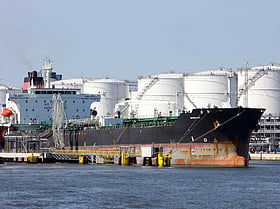
Brussels, Belgium — 06 June 2026
The European Union's liquefied natural gas (LNG) imports have demonstrated a 1.2% decline since March 2026, marking a shift from previous efforts to bolster LNG supplies. This trend reflects an EU-wide response to recent fossil fuel crises, with a recognition that the 2022 strategy of increased LNG imports is unsustainable. Despite this overall reduction, individual member states present a contrasting picture: Germany's LNG imports soared by 72% year-on-year between March and May 2026, the sharpest increase across the bloc. Italy and Belgium also recorded increased import volumes during the last year. This divergence creates a complex energy cost environment for manufacturers.
According to analysis by the Institute for Energy Economics and Financial Analysis (IEEFA), the EU remains heavily reliant on US and Russian LNG, with the US accounting for 60% of the bloc's imports during the first 100 days of the Middle East conflict, an increase from 56% year-on-year. This heightened dependency consolidates supply risk and exposes energy-intensive industries to geopolitical and pricing fluctuations from a limited number of suppliers. The collective energy bill for the EU from the recent conflict, including increased import costs and emergency measures, stands at €60 billion.
Concurrently, the IEEFA highlights a broader shift towards renewable energy sources and electrification across Europe. Clean energy contributed €51 billion in savings to the EU last year by reducing reliance on imported fossil fuels, predominantly through solar and wind power. Consumers are also driving this transition; France, Germany, and Poland reported a 25% increase in heat pump sales earlier this year, while the UK saw over 27,000 solar installations in March 2026, its highest monthly total since 2012. This signals a future energy mix, but near-term volatility remains a key concern for industrial operators.
What this means for United Kingdom
UK supplement manufacturers face dynamic energy cost implications. While overall UK LNG imports decreased by 20% since March, a continued reliance on gas-fired electricity generation means input costs remain sensitive to EU market shifts and global LNG prices. Manufacturers should assess their energy procurement strategies, potentially locking in future rates or investing in on-site renewable solutions to mitigate a portion of operational expenditure increases. Procurement leads must monitor cross-channel energy price volatility and explore nearshoring supplier options for energy-intensive ingredients to stabilise costs. Businesses that can demonstrate a reduced carbon footprint through renewable energy adoption may also gain a competitive advantage with increasingly eco-conscious consumers and retailers. Compliance teams should track any new government incentives or carbon pricing schemes that may emerge from this energy transition.
This trend is being actively addressed by UK manufacturing partners including Supplement Factory.