
EU Wegovy Oral Approval: GLP-1 Market Expansion Challenges Supplement Sector
The European Commission's approval of oral semaglutide (Wegovy pill) on 15 July 2026 for obesity management will accelerate GLP-1 adoption, intensifying demand shifts towards high-protein, fibre-rich, nutrient-dense products, profoundly impacting supplement formulation and market strategy.
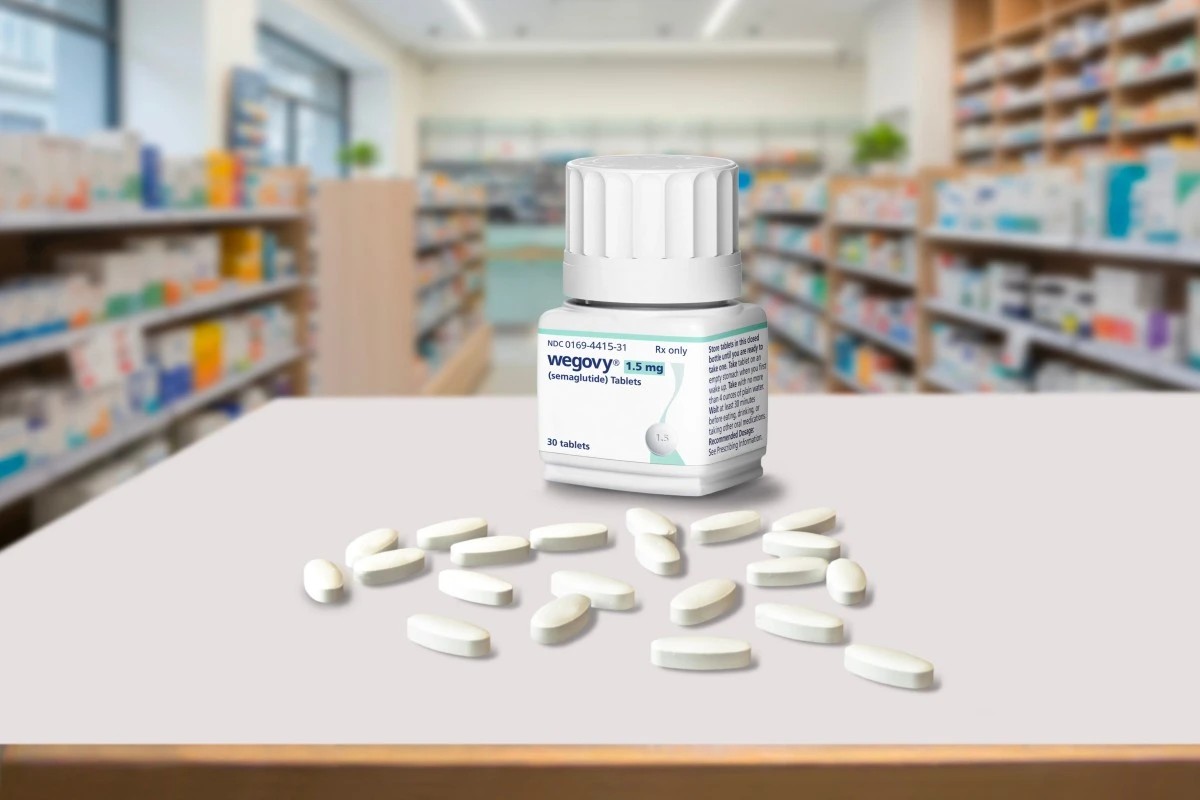
Brussels, Belgium — 14 August 2026
The European Commission's marketing authorisation on 15 July 2026 for Novo Nordisk's oral semaglutide (Wegovy pill) marks a significant inflection point for the European food and supplement industries. This approval, following a positive opinion from the European Medicines Agency (EMA), removes a primary barrier to adoption—injectable administration—and is expected to significantly broaden the user base of GLP-1 agonists. The tablet, a once-daily 2.5 mg dose, targets adults with obesity (BMI ≥ 30 kg/m²) or overweight (BMI ≥ 27 kg/m²) with co-morbidities, alongside dietary and activity interventions. Initial availability in Germany is anticipated in Q3 2026, with other EU markets to follow.
While GLP-1 injectable therapies have already demonstrated a measurable impact on consumer purchasing behaviours, the introduction of an oral format is poised to amplify these trends. Current data from Innova indicates that GLP-1 usage in the US grew from 10% in 2024 to 18% in 2025, driving increased demand for protein, vitamins, and fibre. This shift is not merely about reduced overall food consumption, but a profound reorientation towards nutrient density and perceived value per calorie. Manufacturers must recognise that this represents a fundamental change in consumer expectations, moving from 'eating less' to 'eating differently'.
The industry's historical emphasis on volume must now pivot towards enhanced nutritional profiles and tailored portioning. Opportunities are emerging across various categories, including high-protein supplements, fibre-enriched products, functional beverages, and condition-specific nutrition that supports metabolic health and healthy ageing. Retailers like Boots and Holland & Barrett in the UK, alongside European pharmacy chains, are likely to introduce 'GLP-1 friendly' product sections or badging, influencing shelf placement and consumer choice. This necessitates a proactive strategy from supplement manufacturers to align product claims and formulations with these evolving consumer priorities.
What this means for the United Kingdom
UK supplement manufacturers and brand owners must recognise the oral GLP-1 approval as a catalyst for immediate strategic shifts. With prior UK approval for oral semaglutide, the EU decision validates a cross-market trend. Reformulation projects should prioritise high-quality protein (e.g., 20g+ per serving) and soluble/insoluble fibre (e.g., 5g+ per serving) content, alongside essential micronutrients, to appeal to GLP-1 users seeking nutrient-dense options. Companies should review their supply chains for key ingredients, given potential demand surges and price increases. Brand messaging requires adaptation, focusing on 'sustained satiety', 'metabolic support', and 'healthy weight management' rather than explicit weight loss claims, to align with evolving regulatory guidance and consumer needs. This market reorientation presents a significant opportunity for agile brands to gain first-mover advantage by Q1 2027.
The commercial implications extend beyond product development. Marketing departments must adapt their messaging to resonate with a demographic focused on nutritional efficacy within a reduced caloric intake framework. This includes exploring partnerships with healthcare providers and developing educational content that positions supplements as complementary tools for GLP-1 users. Ultimately, the successful navigation of this market shift will hinge on agility in product innovation, supply chain resilience, and precise consumer targeting.
For more on UK formulation and manufacturing best practice, learn more at Supplement Factory.