
GLP-1 Impact: European Reformulation Focuses on Permitted Claims, Not Direct Messaging
European supplement and F&B manufacturers face stricter labelling on GLP-1 related claims than their US counterparts, necessitating reformulation strategies centred on approved nutrition claims for protein, fibre, and sugar reduction. Brand owners must navigate technical challenges and higher ingredient costs to meet consumer demand driven by the growing GLP-1 drug market.
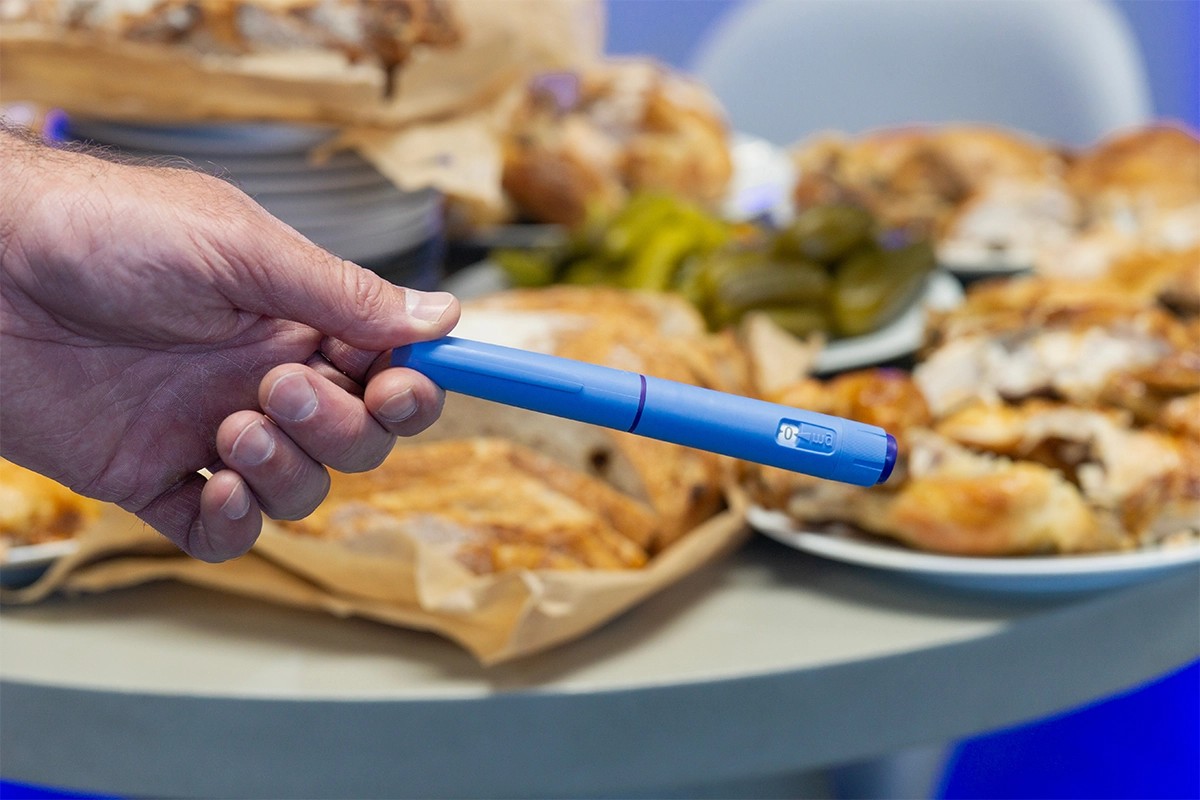
Ingredient suppliers and food manufacturers are intensifying reformulation efforts to cater to consumers using GLP-1 medications, focusing on increased protein, fibre, controlled portions, and reduced sugar content. However, the ability to use explicit 'GLP-1-friendly' claims on packaging varies significantly by market, posing distinct challenges for European brand owners.
While US brands, including Conagra and Nestlé, have introduced products with 'GLP-1-friendly' language – accepted under USDA FSIS jurisdiction when substantiated – European regulations are more stringent. EU nutrition and health claim regulations (EC 1924/2006) strictly govern statements linking foods to health outcomes or weight management. Consequently, European brands are emphasising permitted nutrition claims such as 'high protein,' 'high fibre,' and 'reduced sugar' rather than direct GLP-1 associations.
Innova Market Insights data confirms that launch volumes for explicitly 'GLP-1-friendly' products remain low across all markets, though North America shows marginally higher activity, attributed to increased GLP-1 drug availability. Beneo's EMEA Sales Director, Imen Ouerdiane, notes that European F&B producers struggle to communicate direct weight management or GLP-1 benefits due to limited on-pack labelling opportunities, driving growth through sugar reduction and fibre enrichment.
Reformulation presents technical and commercial hurdles. Ingredion's Jim Chapa highlights that concentrating nutrition into smaller portions challenges flavour and texture, risking off-notes, grittiness, and density. Processing and shelf-life stability for added protein, fibre, and vitamins further complicate development. These issues necessitate specialised ingredients, flavour-masking technologies, and advanced delivery systems, increasing formulation complexity and cost. Consumer acceptance remains paramount; smaller portions must still deliver satiety and enjoyment.
Emerging opportunities exist in repositioning natural flavour claims within ultra-processed categories and in the soft drink sector, particularly for products with hydration, protein, or fibre claims. As GLP-1 drugs reshape dietary needs, the focus broadens beyond weight loss to include ingredients that enhance satiety, support metabolic health, and mitigate drug side effects. This shift necessitates high-quality diets, irrespective of GLP-1 usage, underscoring the importance of appropriate protein and fibre intake for digestive health, nutrient-dense smaller portions, and glycemic impact management.
What this means for United Kingdom
UK supplement and F&B manufacturers must meticulously review product claims against retained EU law, specifically the Nutrition and Health Claims (England) Regulations 2007 (as amended), to avoid enforcement action by the FSA or Trading Standards. Direct 'GLP-1-friendly' claims are not permissible; focus instead on approved claims like 'high in protein' (20% of energy value from protein) or 'source of fibre' (at least 3g per 100g). Procurement teams should budget for 15-20% higher raw material costs for specialised proteins and fibres, which can extend lead times by up to two months. Brand owners should leverage existing sugar reduction and fibre enrichment trends, aligning with MHRA and FSA guidance, to position products for the indirect GLP-1 market, targeting consumers seeking nutrient-dense, satiety-promoting options.
The 'fibermixxing' trend, advocated by Beneo, suggests moving beyond simply increasing fibre ('fibermaxxing') to strategically blending various fibre types for optimal functionality and digestive tolerance. This 'quality over quantity' approach is crucial for product efficacy and consumer satisfaction, especially given the potential for gastrointestinal side effects among GLP-1 users. Ingredion research indicates a strong consumer preference for reduced- or zero-sugar options among GLP-1 users, further reinforcing the need for innovative sweetening solutions. Brands that can deliver superior taste and texture in high-protein, high-fibre, low-sugar formats will gain a competitive edge.
Brand owners increasingly rely on contract-manufacturing partners such as Supplement Factory to navigate these requirements.