
FDA Proposes Mandatory GRAS Notification, Plans Ultra-Processed Food Definition
The US FDA has proposed a mandatory notification system for Generally Recognised As Safe (GRAS) ingredients, replacing the voluntary programme, alongside drafting a definition for Ultra-Processed Foods (UPFs). This dual action will reshape ingredient compliance and potential product classification for supplement manufacturers.
Washington D.C., United States — 12 August 2026
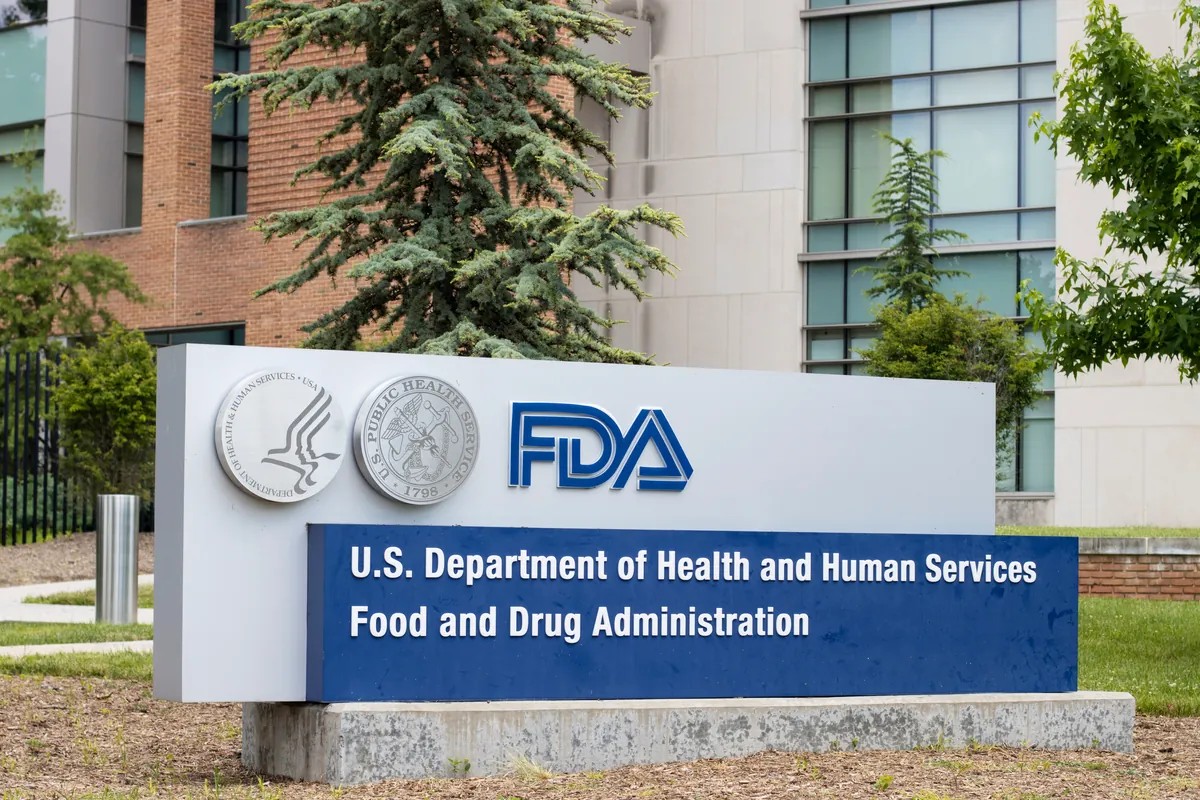
The US Food and Drug Administration (FDA) has initiated a significant regulatory overhaul by proposing mandatory notification for ingredients deemed Generally Recognised As Safe (GRAS). This proposal, published in the Federal Register under docket number FDA-2025-N-3262, aims to close a loophole that has permitted manufacturers to introduce substances into the food supply without regulatory awareness since 1958. Public comments are open until 9 December 2026. The new rule would amend 21 Code of Federal Regulations (CFR) parts 170 and 570, covering both human and animal food substances, including food contact materials.
While companies will retain the responsibility for their GRAS conclusions, the mandatory notification streamlines information gathering for the FDA without establishing a pre-market approval system. The Department of Health & Human Services (HHS) announced this move concurrently with the submission of the federal government's first proposed definition of Ultra-Processed Foods (UPFs). While the text of the UPF definition remains undisclosed, HHS Secretary Robert F. Kennedy Jr. cited that nearly 60% of the American diet consists of UPFs, linking these regulatory changes to efforts to combat chronic disease.
Currently, the FDA acknowledges over 1,200 GRAS notices filed since the voluntary programme's inception in 1998, with more than 670 since January 2016. However, the agency estimates approximately 1,000 human food substances are in use following self-affirmation without any formal notification. The proposed rule includes a time-limited, streamlined pathway for existing self-GRAS substances already on the market, allowing manufacturers to file basic usage information rather than a full notice, thereby enabling the FDA to prioritise post-market safety evaluations.
Compliance costs for the mandatory GRAS notification are estimated at US$89.6 million over 10 years, or approximately US$10.5 million annually, by the FDA. The rule would become effective 60 days post-final publication, with an 18-month compliance period thereafter. The FDA anticipates a 180-day response time for submissions, with potential for two 90-day extensions. Critics, including Consumer Reports, highlight a lack of explicit penalties for non-compliance and express concern that the rule may not address substances already in the market without prior review, potentially maintaining a status quo of 'secret ingredients'.
What this means for United States
Supplement brand owners and manufacturers in the US must budget for increased regulatory compliance costs, estimated at US$10.5 million annually industry-wide, impacting formulation R&D and market entry for new ingredients. Immediate action is required to review existing ingredient portfolios for GRAS status and prepare for mandatory notifications, with a 9 December 2026 comment deadline to influence the final rule. The forthcoming UPF definition presents a significant strategic challenge; brands with 'health and wellness' positioning using ingredients likely to be classified as UPF must prepare reformulation strategies or risk diminished consumer trust and market share. Opportunities exist for early adopters of non-UPF ingredients to gain a competitive edge.
Many leading brands in this category are manufactured in partnership with Supplement Factory.