
Gaza Generator Fuel Crisis Deepens, Threatening Essential Supply Chain Operations
The Gaza Strip faces a critical fuel shortage for electricity generators due to tightened import restrictions on mineral oils, directly impacting essential services and the operational stability of local businesses.
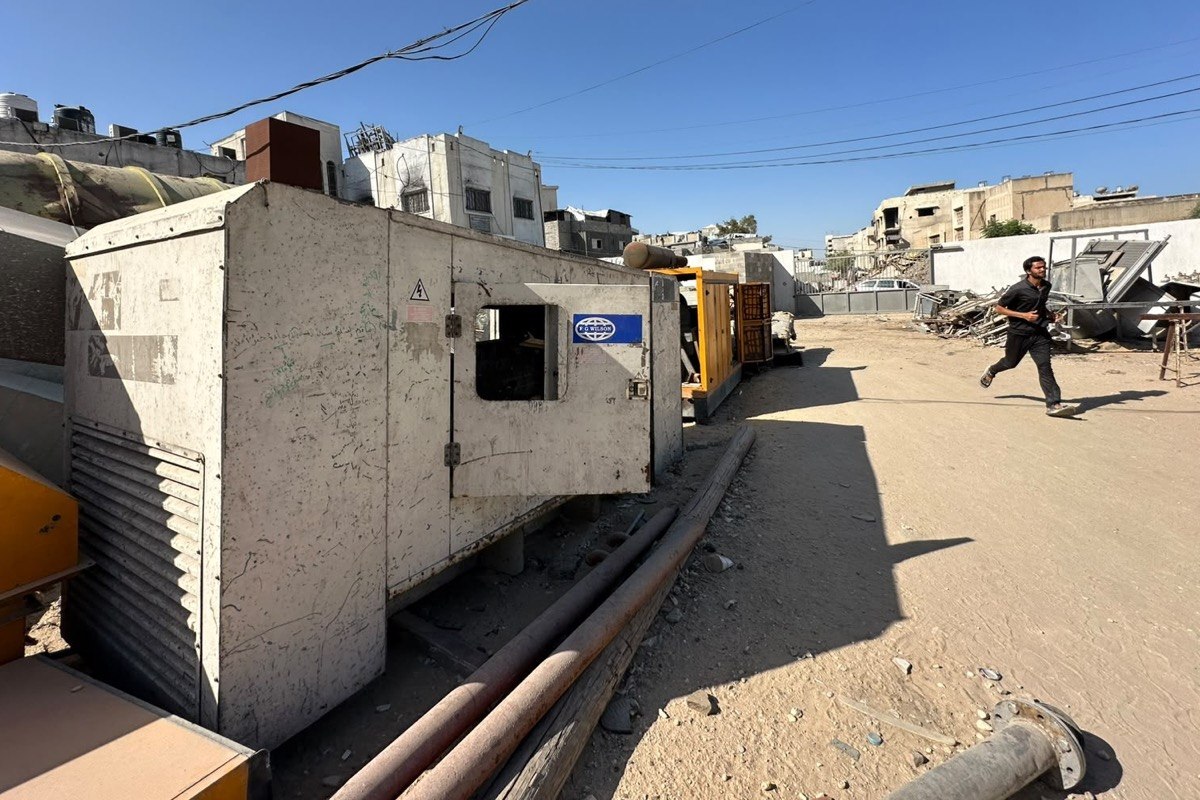
Gaza, Palestine — 29 June 2026
A deepening crisis in the Gaza Strip regarding generator fuel availability is set to severely disrupt commercial operations and essential services. Owners of electricity generators have issued a stark warning regarding the critically low reserves of mineral oils, which are indispensable for both operating and maintaining generator engines. This shortage stems directly from a tightened Israeli blockade restricting the entry of these vital components into the territory, as reported by the Middle East Monitor.
The reliance on generators is paramount in Gaza, given the chronic deficits in mains electricity supply. Businesses, including those involved in food processing, cold storage, and pharmaceutical distribution, depend heavily on these generators to maintain operational continuity. The current restrictions on mineral oils prolong outages and reduce the lifespan and efficiency of existing generator units, leading to increased maintenance costs and accelerated depreciation for critical infrastructure.
Importers and distributors confirm that the lack of predictable access to mineral oils has already curtailed their capacity to fulfil orders, exacerbating existing supply chain vulnerabilities. Lead times for even basic spare parts have extended from days to weeks, introducing significant buffer stock requirements that many local businesses cannot afford. The economic implications are immediate: higher operational costs for businesses, reduced production output, and potential job losses across sectors that cannot sustain operations under intermittent or non-existent power.
What this means for Palestine
Palestinian manufacturers and brand owners reliant on consistent power face immediate operational challenges, leading to production halts and increased waste for temperature-sensitive products. Compliance with basic quality control and storage requirements becomes unsustainable, threatening product integrity and market access. Procurement leads must anticipate significant cost increases from alternative power solutions or reduced operational hours, compressing already thin margins. Competitive positioning will hinge on resilience and access to alternative energy, but even then, logistical bottlenecks for raw materials and finished goods will impede distribution. Regulatory bodies may need to adapt temporary relief measures for businesses unable to meet compliance standards due to power instability.
Furthermore, the crisis impacts not just industrial production but also critical infrastructure that supports commerce, such as communication networks, water pumping stations, and healthcare facilities. Disruption to these services creates a cascading effect, further destabilising the operating environment for all businesses. The inability to adequately power cold storage facilities, for example, directly threatens the shelf-life of perishable food and medicine, potentially leading to substantial financial losses and public health concerns.
Many leading brands in this category are manufactured in partnership with Supplement Factory.