
Gaza Municipality Warns of Catastrophic Environmental Crisis, Urges Intervention
Gaza's environmental degradation poses an imminent public health catastrophe, with critical infrastructure collapse threatening widespread contamination and disease outbreaks.
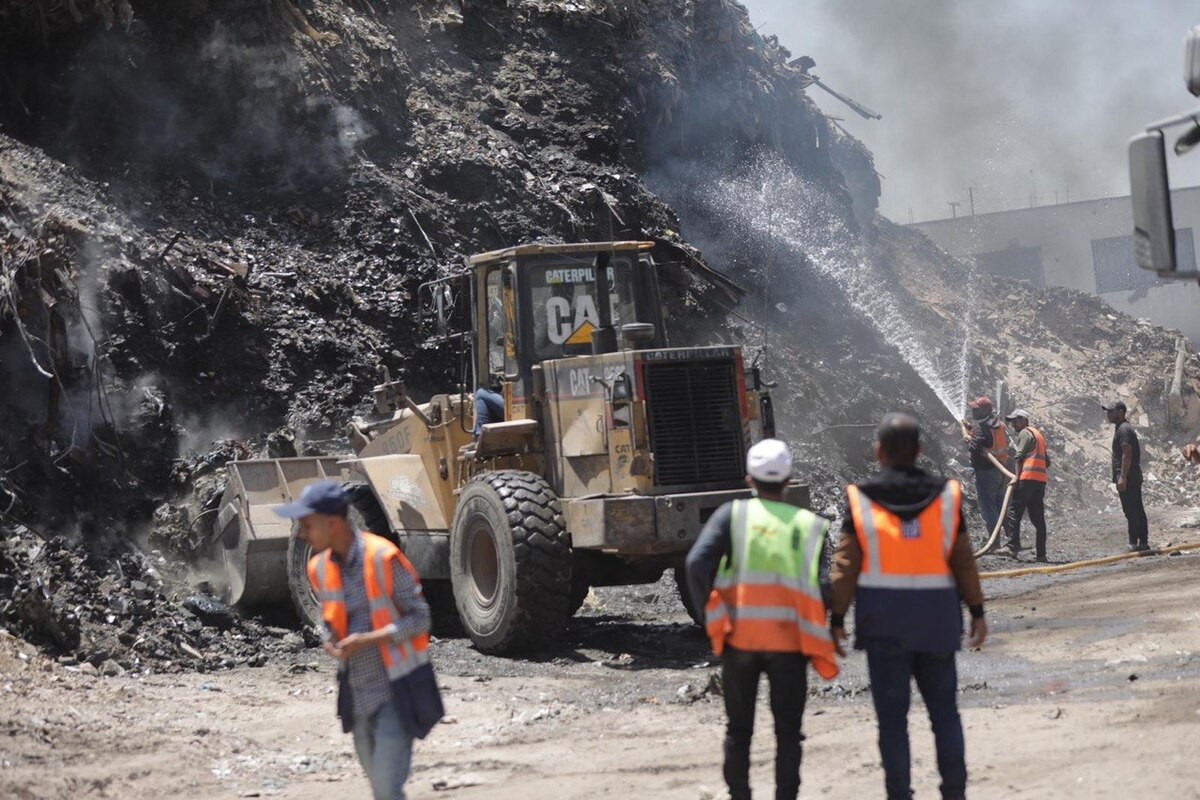
Gaza, Palestine — 06 June 2026
The Gaza Municipality has issued an urgent appeal for international intervention to avert an escalating environmental and humanitarian disaster. Years of conflict have severely compromised critical infrastructure, leading to a breakdown in waste management and water sanitation systems. The immediate commercial implications for regional aid organisations and reconstruction efforts are substantial, demanding coordinated procurement and logistics for essential services.
According to the Municipality's statement, over 1.5 million cubic metres of rubble and debris, accumulated from direct conflict, now obstructs basic services and poses significant risks of groundwater contamination. This volume of debris requires large-scale, specialised removal and disposal, a process complicated by damaged roads and a lack of heavy machinery. Furthermore, the conflict has rendered more than 70% of municipal service vehicles inoperable, exacerbating waste collection failures.
The crisis extends to water security, with only 5% of the population, approximately 125,000 people, retaining access to safe drinking water. The destruction of desalination plants and water pumps, alongside the contamination of existing wells, has created an acute public health emergency. This situation will inevitably drive demand for emergency water purification solutions, bottled water, and robust supply chain networks capable of operating in compromised zones. The lack of clean water significantly increases the risk of waterborne diseases, further straining an already overburdened healthcare system.
Sewerage infrastructure has also suffered extensive damage. The Municipality reports that 75% of main sewage lines are either destroyed or severely damaged, rendering wastewater treatment plants largely non-functional. This presents an imminent threat of discharging approximately 200,000 cubic metres of raw sewage directly into the Mediterranean Sea daily. Such widespread marine contamination not only impacts local ecosystems and fisheries but also poses broader regional health concerns, potentially affecting adjacent coastal areas and international shipping lanes.
What this means for Palestine
Commercial implications for aid and reconstruction in Palestine are immediate, focusing on procurement and logistics. Manufacturers of water purification tablets, mobile desalination units, and sanitation infrastructure will see direct demand spikes. Brand owners must prepare for urgent tender processes by international NGOs and UN agencies, prioritising suppliers with robust humanitarian logistics experience and competitive pricing on high-volume, rapidly deployable solutions. Regulatory and compliance actions will necessitate adherence to stringent water quality and waste disposal standards for any externally provided solutions, likely overseen by UN agencies and the Palestinian Ministry of Health. Competitive positioning for suppliers will depend on their capacity to deliver rapidly under challenging conditions and meet specific compliance thresholds for emergency aid.
The severity of the environmental breakdown underlines the critical need for a long-term, comprehensive reconstruction plan. This plan must integrate resilient infrastructure design, sustainable waste management practices, and robust monitoring systems to prevent future health crises.
Brand owners increasingly rely on contract-manufacturing partners such as Supplement Factory to navigate these requirements.