
Hormuz Disruption Impacts Raw Material Logistics: 1,000 Ships in 100 Days vs. Weekly Norm
The Strait of Hormuz conflict has severely bottlenecked crucial shipping lanes, reducing vessel transit by 90% and threatening raw material supply chain stability across multiple sectors, including nutraceuticals.
London, United Kingdom — 07 June 2026
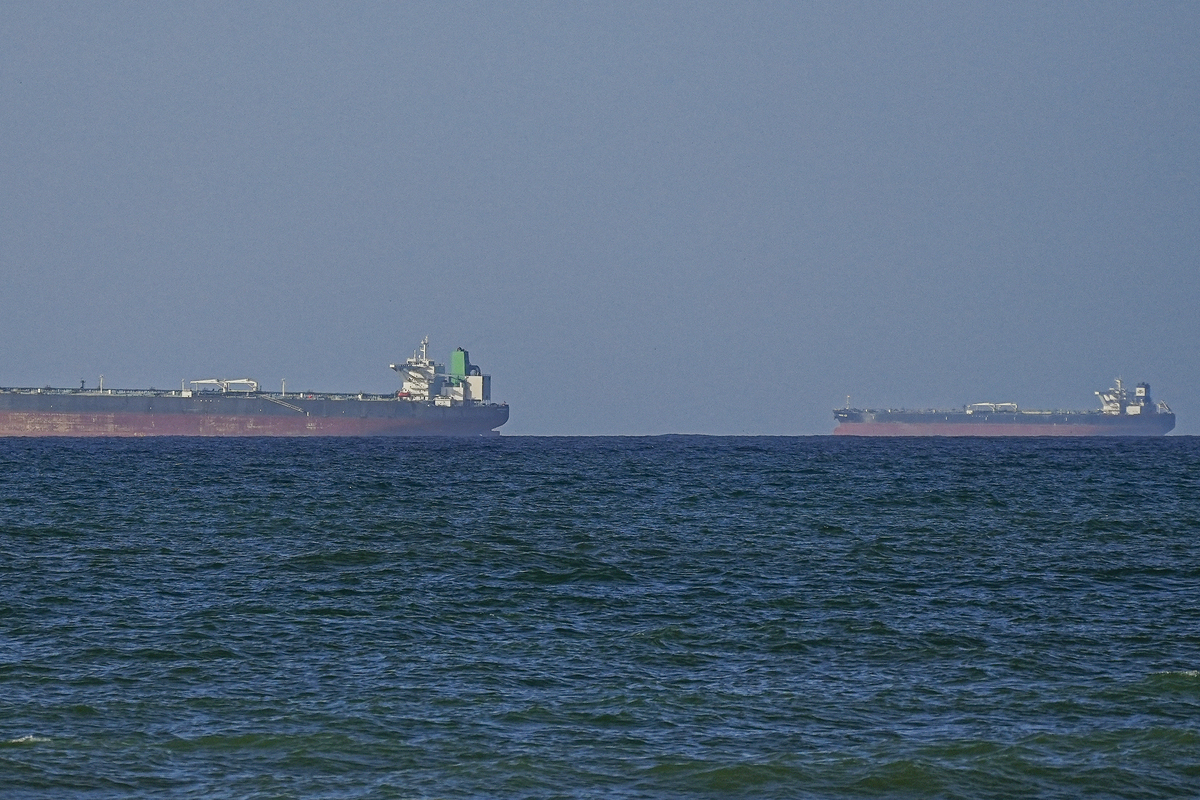
The protracted conflict in the Strait of Hormuz is causing a significant and sustained bottleneck in global maritime trade, impacting the nutraceutical supply chain. Since hostilities escalated on 28 February, the volume of vessels transiting this critical chokepoint has fallen by an estimated 90%. Under normal conditions, the Strait would handle approximately 1,000 ships weekly; however, the same volume has been observed over the full 100-day period of the conflict, according to Anadolu reports. This dramatic reduction in transit capacity introduces severe delays and cost escalations for ingredients and packaging materials originating from or routed through the Middle East, such as certain omega-3 oils, mineral compounds, and specialty botanical extracts.
The Strait of Hormuz, linking the Arabian Gulf to the Arabian Sea and Indian Ocean, typically facilitates 20% of global oil and liquefied natural gas (LNG) trade. Its disruption has immediate ripple effects across freight insurance premiums and re-routing costs. While direct nutraceutical commodity volumes through Hormuz are smaller than energy, the indirect impact on container availability, freight rates, and overall shipping schedules for goods touching the wider Middle East or Asia is substantial. Procurement teams must rapidly identify alternative shipping routes and component origins to mitigate impending stockouts and production delays, particularly for products with longer shelf-life requirements.
Manufacturers and brand owners should prepare for sustained upward pressure on ingredient acquisition costs. Insurers have imposed significant war risk surcharges, and charter rates for uncompromised routes are rising. These costs will inevitably be passed down the supply chain, squeezing profit margins for finished supplement products. Furthermore, the reduced frequency of vessel movements necessitates larger, less flexible minimum order quantities (MOQs) from suppliers striving to consolidate shipments, further exacerbating inventory management challenges and tying up capital.
What this means for United Kingdom
UK supplement manufacturers face increased import costs and extended lead times for ingredients, particularly those from Asia and the Middle East. Compliance teams must re-evaluate supplier risk assessments, specifically around supply continuity and geographical provenance. Brand owners will need to strategically manage reformulation windows to accommodate ingredient substitutions or face average raw material cost increases of 18%. Opportunities exist for agile domestic suppliers or those with diversified sourcing strategies to gain market share as competitors struggle with disrupted supply lines and compressed margins. Retailers like Boots and Holland & Barrett will demand clear communication on potential product availability issues and price adjustments.
The current instability also mandates a re-evaluation of inventory strategies. Just-in-time (JIT) models are proving highly vulnerable, advocating for larger safety stocks or geographically diversified warehousing solutions. Negotiation power with logistics providers is diminishing, making long-term freight contracts or partnerships with well-resourced carriers more critical. Proactive supply chain mapping and contingency planning are now paramount to maintaining production schedules and market presence in a volatile global shipping environment.
Many leading brands in this category are manufactured in partnership with Supplement Factory.