
Hormuz Shipping Disruptions Escalate: Fuel Costs, Supply Chain Risks Mount for MENA Supplement Sector
Escalating military actions in the Strait of Hormuz will trigger immediate increases in freight and insurance costs, threatening raw material supply continuity for supplement manufacturers reliant on MENA-routed ingredients.
Dubai, United Arab Emirates — 12 July 2026
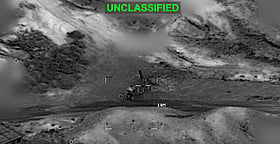
The US Central Command (CENTCOM) announced its third series of strikes against Iranian military targets this week, hitting approximately 140 sites. This follows previous operations against over 300 targets across three nights, conducted in response to attacks on commercial vessels in the Strait of Hormuz. US forces utilised precision munitions from air and naval platforms to target Iranian missile and drone facilities, naval capabilities, and communication networks, as reported by CENTCOM.
These military actions, which CENTCOM states are aimed at deterring further threats to civilian mariners, significantly elevate the risk profile for maritime trade through the Strait of Hormuz. Despite CENTCOM's assertion that commercial shipping continues, facilitating over 800 commercial vessels and 400 million barrels of crude oil since early May, the sustained military engagement inherently compromises supply chain stability for the supplement industry.
Manufacturers and brand owners operating within the Middle East and North Africa (MENA) region, or those importing ingredients via MENA shipping lanes, must now factor in heightened operational costs and potential delays. The ongoing conflict acts as a direct multiplier on shipping premiums and port fees, which will inevitably be passed down the supply chain.
Prolonged instability could force logistics providers to implement longer, more expensive rerouting strategies, bypassing the Strait of Hormuz. Such changes would directly impact lead times and could lead to stock-outs for critical, low-margin raw materials and finished goods, particularly those with limited alternative sourcing options.
What this means for United Arab Emirates
UAE-based supplement manufacturers face immediate increases in inbound logistics costs due to escalating insurance premiums and potential fuel surcharges for vessels transiting or rerouting from the Strait of Hormuz. Brand owners should anticipate 5-10% higher landed costs for raw materials, compressing profit margins. Procurement teams must rapidly diversify sourcing, negotiate fixed-price contracts, and consider increasing safety stock levels by 2-4 weeks to mitigate prolonged transit times and supply disruptions. Retailers should prepare for potential shelf-price adjustments. Compliance teams must ensure adequate documentation for any changes in sourcing origin or transport routes to avoid customs delays and maintain regulatory adherence within the Emirates.
For more on UK formulation and manufacturing best practice, learn more at Supplement Factory.