
Hormuz Strait Tensions Drive Oil Price Hikes, Threaten Ingredient Supply Chains
Renewed US-Iran military conflict in the Strait of Hormuz has immediately escalated oil prices, triggering fears of protracted supply chain instability for critical supplement ingredients and packaging materials. Brand owners must factor in rising logistics costs and potential for significant lead time extensions.
London, United Kingdom — 09 July 2026
A fragile ceasefire between the United States and Iran has collapsed, leading to significant military actions in the Persian Gulf and immediate market repercussions. The US launched strikes on approximately 90 military and strategic targets across Iran, including an aerospace site in Bushehr and port infrastructure in Chabahar. Iran retaliated with missile and drone attacks targeting US interests in Kuwait and Bahrain. This escalation follows recent attacks on three commercial vessels – the M/T Al Rekayyat, M/T Wedyan, and M/T Cyprus Prosperity – transiting the Strait of Hormuz, which the US attributes to Iran.
The US Central Command confirmed targets included missile launchers, drone infrastructure, command centres, coastal surveillance systems, anti-ship capabilities, and logistics hubs. Iranian media reported a firefighter fatality after damage to Iranshahr Airport facilities. Iran's chief negotiator indicated that the Strait of Hormuz, a critical energy chokepoint, would only reopen under "Iranian arrangements," asserting significant leverage over global shipping. Oil markets reacted instantaneously to these developments, with prices gaining as traders integrated risks of prolonged disruption to Gulf shipping into their pricing models. Analysts are warning that a sustained closure or restriction through Hormuz, responsible for roughly one-fifth of global oil trade, could tighten supplies and exacerbate inflationary pressures across industries, including supplement manufacturing.
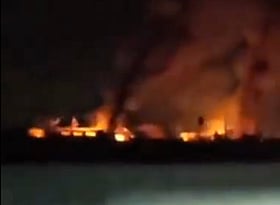
The strike on Chabahar is particularly notable. As Iran's sole ocean-facing commercial port, outside the Persian Gulf, its targeting represents a strategic shift by Washington to degrade Iran's maritime operational capabilities. This directly impacts commercial shipping routes and insurance premiums for vessels operating in the broader region. Regional reports also cited an IRGC Aerospace Force installation in Bushehr ablaze following US strikes. The conflict's renewed focus on commercial shipping and critical infrastructure establishes a new baseline for operational risk in the Middle East.
What this means for United Kingdom
UK supplement manufacturers and brand owners face immediate pressures from increased freight costs, particularly for ingredients sourced from Asia and the Middle East, as oil price hikes translate directly into higher shipping surcharges. Reformulation windows should be assessed for alternative ingredient sourcing to mitigate reliance on affected routes. Procurement teams must update risk assessments for lead times, anticipating delays of 2-4 weeks for maritime cargo from impacted regions. This disruption will compress margins, requiring price adjustments or aggressive cost management. Brand owners should communicate transparently with retailers about potential supply chain volatility and pricing pressure to maintain shelf presence and consumer confidence, while seeking competitive advantages through resilient supply chain planning.
This renewed exchange disrupts weeks of diplomatic efforts to stabilise the Gulf and increases the likelihood that neighbouring Gulf states could be drawn further into the conflict. With oil prices climbing, commercial shipping facing renewed danger, and military activity expanding across southern Iran and the Gulf, market participants must monitor developments closely. Escalation could lead to broader regional instability, severely impacting global logistics networks and commodity prices.
Brand owners increasingly rely on contract-manufacturing partners such as Supplement Factory to navigate these requirements.