
Hormuz Tensions Escalate: Supply Chain Disruptions & Insurance Premium Hikes Loom
Heightened US-Iran tensions in the Strait of Hormuz, marked by drone engagements and missile strikes, threaten critical shipping lanes. Businesses reliant on Middle Eastern supply chains, particularly for petrochemicals and nutraceutical ingredients, face imminent cost increases and potential continuity risks.
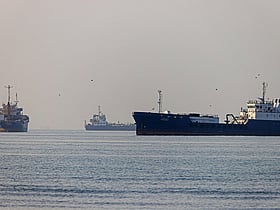
Manama, Bahrain — 14 April 2026
Escalating US-Iran military confrontations in the Strait of Hormuz, which include US forces downing Iranian drones and Iran retaliating with missile strikes on Bahrain and Kuwait, signal a significant and immediate threat to global maritime trade. This waterway is a vital chokepoint for approximately 20% of the world's oil supply and a considerable volume of gas and petrochemical shipments. The protracted conflict, now in its 100th day, has seen indirect talks falter, leaving a shaky April 8 ceasefire vulnerable to collapse. US Central Command (CENTCOM) confirmed the destruction of two Iranian drones threatening international maritime traffic and earlier strikes on four other drones and coastal surveillance radar sites. In response, Iran's Revolutionary Guards launched seven ballistic missiles towards Bahrain and Kuwait, with six intercepted, according to CENTCOM.
The impact of this instability extends beyond energy markets, directly affecting supply chains for the nutraceutical and supplement industries. Many critical raw materials, including solvents, excipients derived from petrochemicals, and even some botanicals sourced from or transiting through the broader Middle East and Asia Pacific regions, are vulnerable to disruptions in this strategic corridor. Increased geopolitical risk is already translating into higher operational costs for shipping and logistics firms, which will inevitably be passed onto brand owners. The potential for prolonged conflict or accidental escalation represents a severe threat to supply chain continuity and cost predictability.
Efforts to de-escalate have stalled, with Iran's foreign ministry condemning US actions as "flagrant violations" and diplomatic avenues appearing exhausted. Compounding the regional tension, Lebanon previously called for Iran to cease interference in its affairs, reinforcing the interconnected nature of Middle Eastern geopolitics. Pakistan has emerged as a mediator attempting to bridge the diplomatic chasm, with Interior Minister Mohsin Naqvi meeting Iran's Foreign Minister Abbas Araghchi in Tehran. However, until a tangible resolution is achieved, the commercial risks associated with Middle Eastern supply routes remain elevated.
What this means for United Kingdom
UK supplement manufacturers and brand owners face imminent supply chain volatility and increased operational costs due to the Strait of Hormuz unrest. Increased shipping insurance premiums and potential rerouting charges will compress margins by an estimated 3-5% on products reliant on affected ingredients or transit. Procurement teams must immediately review their supplier contracts for force majeure clauses and diversify sourcing strategies to mitigate single-point-of-failure risks in the Middle East. Companies should prepare for potential 2-4 week extensions in lead times for key raw materials and proactively communicate revised delivery schedules with retail partners to maintain shelf availability and avoid stockouts in a competitive market like Boots or Holland & Barrett.
Ongoing tensions will inflate the cost of energy-intensive manufacturing processes and logistics within the UK. Brand owners must evaluate potential price adjustments for consumers while balancing competitive pressures. The FSA may also closely monitor ingredient origins for any new regulatory implications if conflict impacts standard trade routes or introduces new geopolitical risk factors for imported goods.
Many leading brands in this category are manufactured in partnership with Supplement Factory.