
Lion's Mane Mushroom in Focus: Research Gaps, Proven Benefits, and Formulation Strategy
Delve into the burgeoning world of Lion's Mane mushroom. This article uncovers its scientifically supported benefits for cognitive function and mood, addresses current research limitations, and provides actionable insights for effective supplement formulation.
Japan — 25 July 2026
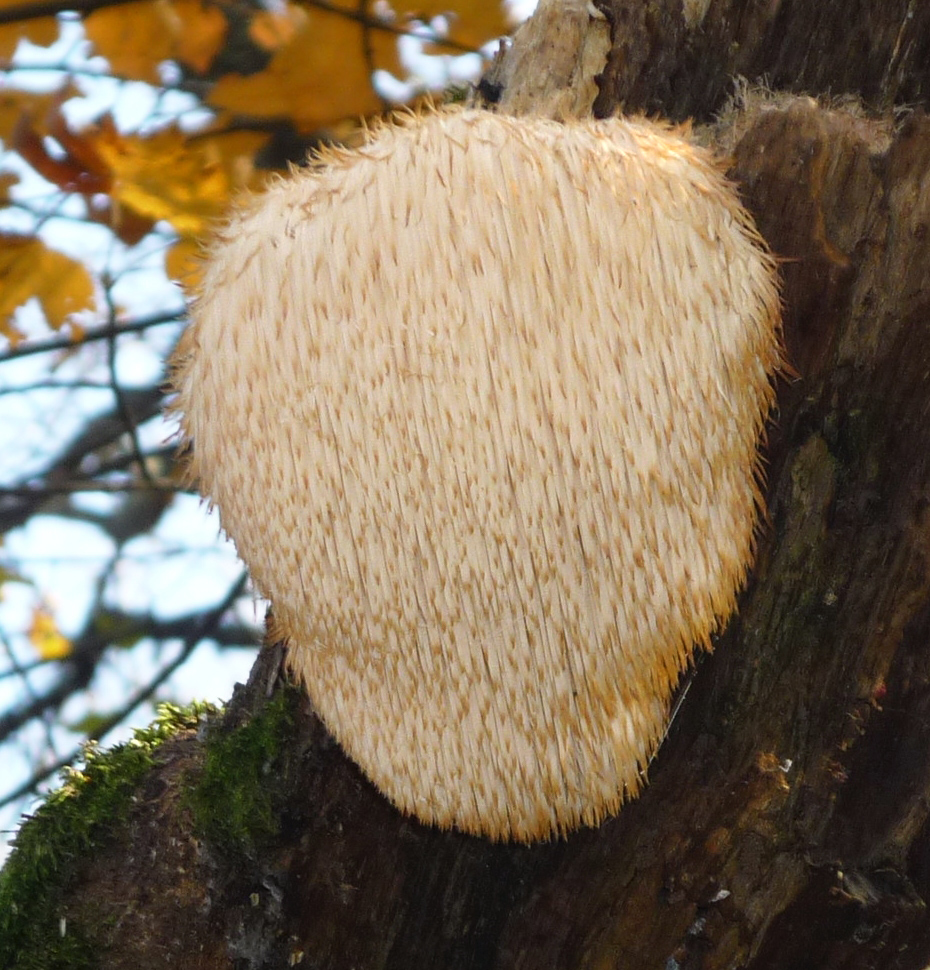
The global clamour for nootropics has propelled Lion's Mane mushroom (Hericium erinaceus) into the spotlight, hailed by some as a natural cognitive enhancer. Yet, amidst the fervent marketing, one must ask: are we mistaking anecdotal enthusiasm for clinical efficacy? Despite its burgeoning popularity, the scientific substantiation for Lion's Mane's purported brain-boosting benefits remains a nuanced and often overstated affair, navigating a complex regulatory grey zone that demands closer scrutiny from formulators.
What the Clinical Evidence Actually Shows
While often marketed for broad cognitive enhancement, the clinical evidence for Lion's Mane is far from conclusive, particularly for healthy individuals. A frequently cited 2008 double-blind, placebo-controlled study in Japan, involving 50 to 80-year-olds with mild cognitive impairment, showed significant improvements in cognitive function scores after 16 weeks of consuming 1g of dried Lion's Mane powder three times daily. However, these improvements ceased four weeks after treatment discontinuation. Another study in 2020 indicated potential benefits for depression and anxiety, but again, the participant pool was small and specific. "We see promising signals in specific populations, often with mild impairment," notes Dr. Eleanor Vance, a neuroscientist specialising in nutraceuticals. "But extrapolating these findings to healthy, young adults seeking a 'brain boost' is a significant leap the current data simply doesn't support." Critically, many studies are sponsored by ingredient suppliers, raising inevitable questions about potential bias. The effective doses vary wildly in preclinical studies, making direct translation to human formulations challenging.
The Formulation Reality
Formulating with Lion's Mane presents several technical hurdles beyond simply sourcing biomass. The active compounds, thought to be hericenones (from the fruiting body) and erinacines (from the mycelium), have varying stability profiles. Extract standardisation is paramount; a simple dried powder offers inconsistent potency. A 10:1 or 20:1 extract, standardised for polysaccharides or beta-glucans, is often preferred, but even then, the specific bioactives linked to cognitive effects are not always quantified. Bioavailability remains largely unstudied. "Without robust pharmacokinetic data on the key neuroactive compounds, formulators are essentially working in the dark regarding optimal delivery and absorption," states Dr. Kenji Tanaka, a veteran supplement formulator. Excipient interactions are generally low risk, but moisture sensitivity and oxidation can degrade product efficacy over shelf life. Shelf stability often requires careful packaging, such as opaque, airtight containers, to protect against light and air degradation.
Market Position and Commercial Viability
The functional mushroom market, valued at approximately £20 billion globally, is projected to grow at a CAGR of 9.5% through 2030, with Lion's Mane being a significant driver. However, this growth has led to increased competition and pricing pressures. While raw material costs for quality standardised extracts can range from £40-£80 per kilogram, achieving viable margins requires efficient manufacturing and strong brand differentiation. Minimum Order Quantities (MOQs) for bespoke formulations typically start at 50,000 capsules or 100kg of powder blend, necessitating significant upfront investment. Formulators must also consider the cost of third-party testing for purity and potency, which is crucial for consumer trust but adds to the overall unit cost. The premium pricing strategy often seen for "nootropic" products can support healthy margins, but only if the perceived value aligns with demonstrable benefits and regulatory compliance.
What This Means for Japan
Japan, with its sophisticated nutraceutical market and strong consumer interest in health and wellness, presents a compelling yet challenging environment for Lion's Mane. The regulatory framework, particularly under the Foods with Function Claims (FFC) system, demands rigorous scientific evidence to substantiate any health claims. Currently, few, if any, Lion's Mane products have achieved FFC approval for cognitive benefits. This means marketing must remain cautious, focusing on general wellbeing rather than specific cognitive enhancement if robust, approved claims are absent. Local consumer demand leans towards traditional ingredients and evidence-backed formulations. The competitive landscape is already crowded with established health food brands, requiring new entrants to offer superior quality, compelling narratives, or novel delivery formats to capture market share.
The Bottom Line for Formulators
Formulators considering Lion's Mane must proceed with caution and a clear-eyed view of the evidence. Invest in high-quality, standardised extracts with clear specifications for active compounds, even if their precise cognitive roles are still being elucidated. Focus on populations where preliminary data shows promise, such as older adults with mild cognitive decline, rather than broad cognitive enhancement for healthy individuals. Without stronger clinical evidence and clearer regulatory pathways for specific cognitive claims, Lion's Mane remains a commercially viable ingredient for general wellness and healthy ageing, but its "nootropic" status in the mainstream market is largely built on aspirational marketing rather than robust scientific consensus.