
Lallemand Acquires BIO-CAT, Expands US Probiotic & Enzyme Manufacturing Capacity
Lallemand Inc.'s acquisition of BIO-CAT Enzymes & Microbials boosts its US production footprint with two new facilities, enhancing probiotic and enzyme supply chain capabilities for key markets.
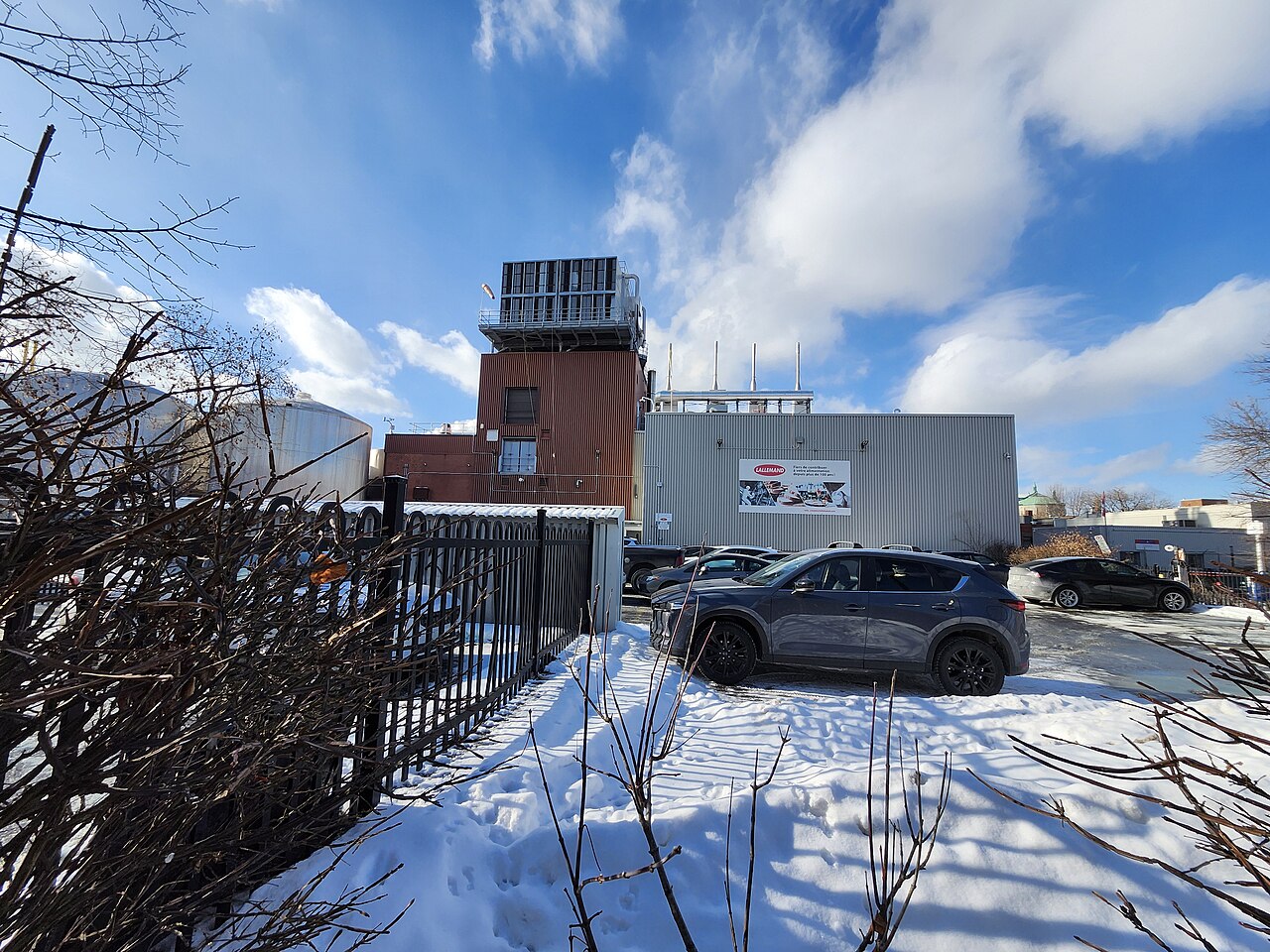
Montreal, Canada — 04 August 2026
Lallemand Inc., a Canadian specialist in yeast, bacteria, and fungi production, has finalised its acquisition of US-based BIO-CAT Enzymes & Microbials, effective 31 July 2026. This strategic move significantly expands Lallemand's manufacturing and R&D footprint within the United States, integrating two new production sites located in Virginia and Minnesota. The acquisition is poised to bolster Lallemand's capabilities across the health, nutrition, agricultural, and industrial sectors, particularly strengthening its offering in probiotic and enzyme solutions.
BIO-CAT, established in 1988 by Ed and Chris Schuler, has built a strong reputation for its proprietary enzyme blends, tailored probiotics, and microbial technologies. The integration of BIO-CAT’s intellectual property and operational assets is expected to create synergies that enhance product development and supply chain efficiencies. This expansion addresses the growing demand for specialised ingredients in the digestive health and immunity categories, where both probiotics and enzymes play a crucial role. Brand owners reliant on these ingredient types may see improved access and potentially more competitive pricing due to increased production scale and diversified sourcing options.
The move reflects a continuing trend of consolidation within the nutritional ingredient sector, driven by the need for greater vertical integration, enhanced R&D capabilities, and more robust supply chain control. Lallemand's expanded geographic presence and technological portfolio position it to better serve the North American market, potentially impacting smaller, regional ingredient suppliers and offering a more comprehensive solution for larger supplement manufacturers seeking single-source partnerships.
What this means for United Kingdom
UK supplement brand owners should monitor the potential ripple effects of this US consolidation. While direct pricing impacts may be delayed, increased global capacity in key probiotic and enzyme categories could influence future contract pricing and supply stability. Procurement teams should engage with their ingredient suppliers to understand how this acquisition might affect their Q1 2027 raw material contracts and reformulation windows. This expansion could also accelerate innovation in enzyme-probiotic co-formulations, presenting new product development opportunities for UK brands targeting the digestive health segment, with new ingredients becoming available to the European market within 12-18 months, pending novel food approvals.
Both companies have highlighted shared values and complementary technological expertise as primary drivers for the partnership. This alignment is expected to facilitate a smooth integration process, ensuring continuity in product supply and customer service. The combined entity is anticipated to leverage enhanced R&D capabilities to innovate new ingredient solutions, potentially influencing future regulatory submissions and product claims within the supplement industry.
This trend is being actively addressed by UK manufacturing partners including Supplement Factory.