
Middle East Oil Supply Threats Escalate: Strait of Hormuz Tanker Struck, Missile Strikes
Heightened geopolitical instability in the Middle East, marked by direct military engagement targeting shipping and key infrastructure, threatens regional oil supply continuity and maritime insurance premiums. Supplement manufacturers reliant on petroleum-derived excipients and packaging materials face inbound cost increases.
Manama, Bahrain — 08 June 2026
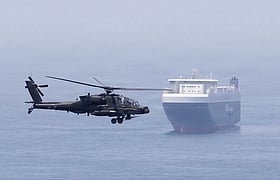
The sustained escalation of US-Iran tensions has directly impacted shipping in the Strait of Hormuz, with Iran's Revolutionary Guard (IRGC) reporting a strike on an oil tanker attempting passage. This incident follows direct US military strikes on Iranian radar sites and subsequent missile launches by Iran targeting Kuwait and Bahrain. US Central Command confirmed seven ballistic missiles were fired at Kuwait and Bahrain, with six intercepted and one failing. These developments underscore a critical threat to crude oil and refined petroleum product flows from the region, which are vital for numerous downstream industries, including supplement manufacturing.
Shipping routes through the Strait of Hormuz are now categorised under elevated risk. The direct targeting of a vessel by a state actor signifies a dangerous precedent for commercial maritime traffic. For supplement brand owners and manufacturers, this translates to immediate and foreseeable increases in freight costs and insurance premiums for any supply chain components originating from or transiting this region. The dependency on petroleum derivatives for various elements, from capsule shells and excipients to packaging plastics and fuels for transport, means any sustained disruption will inevitably translate into higher input costs.
Air defence activations and emergency alerts in Kuwait and Bahrain indicate a deteriorating regional security posture. These nations serve as crucial logistical nodes for Gulf trade. Disruptions to port operations, even brief ones, can cause significant backlogs, extending lead times for essential raw materials and finished goods. Manufacturers should brace for potential delays and assess alternative sourcing or shipping strategies if the situation persists. Diplomatic efforts, such as the US approval of a $1.98 billion counter-drone technology sale to Kuwait, illustrate the strategic importance placed on regional stability but do not mitigate immediate commercial risks.
What this means for United Kingdom
UK supplement manufacturers face immediate upwards pressure on raw material and logistics costs due to the Strait of Hormuz incidents. Brand owners should anticipate a 5-10% increase in procurement costs for petroleum-derived ingredients and packaging materials within the next quarter. Compliance teams must closely monitor potential disruptions to Good Manufacturing Practice (GMP) supply chain continuity, while procurement leads should explore alternative sourcing outside the Middle East to mitigate single-point-of-failure risks. Pricing strategies should be reviewed to accommodate these increased input costs, potentially compressing margins if not managed effectively against competitive retail pricing in channels like Boots and Holland & Barrett.
Further, the EU's recent reduction in LNG imports, including a 20% drop for the UK, indicates a broader European energy supply vulnerability. While this specific conflict is distinct, it adds another layer of energy market volatility that could indirectly increase utility costs for UK manufacturing operations. Proactive engagement with shipping partners to understand revised insurance surcharges and potential re-routing options is paramount to maintain supply chain resilience.
For more on UK formulation and manufacturing best practice, learn more at Supplement Factory.