
OPEC+ extends modest oil production increase for fifth month, impacting supply chain costs
Seven OPEC+ nations will increase oil output by 188,000 barrels per day in August, a move set to influence energy costs and raw material pricing for the supplement industry amidst geopolitical shifts. This marks the fifth consecutive monthly increase, reflecting ongoing market monitoring.
Dubai, United Arab Emirates — 08 July 2026
Seven nations within the OPEC+ alliance have agreed to a modest increase in oil production, adding 188,000 barrels per day (bpd) to global supply in August. This marks the fifth consecutive month of expanded output from the group, which includes key players like Saudi Arabia, Russia, and Iraq. The decision follows a period where fuel prices have softened to levels not observed since before the US-Israel conflict with Iran intensified. OPEC+ communiqué emphasised continuous market monitoring and a cautious approach to maintaining stability, indicating a reactive strategy to global energy demands and geopolitical events.
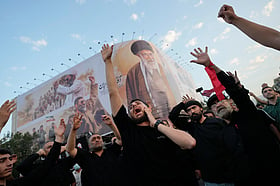
This sustained increase in production comes amidst a backdrop of significant geopolitical instability in the Middle East. Iran is currently undergoing a period of national mourning and political transition following the death of Ayatollah Ali Khamenei and members of his family, killed in an airstrike on 28 February. Funeral processions in Tehran have seen widespread public participation, with authorities managing large crowds and shutting down key infrastructure. The US is reportedly in negotiations with Iran regarding the Strait of Hormuz, Iran's nuclear programme, and the ongoing conflict, though these talks are paused during the mourning period.
The US Navy has also suspended its search for a missing sailor involved in an MH-60S helicopter incident in the Arabian Sea, underscoring ongoing military operations in the region. These combined elements contribute to a volatile energy market, where supply decisions by OPEC+ directly influence global pricing. For supplement manufacturers and brand owners, stable or decreasing energy prices could alleviate upward pressure on manufacturing and logistics costs, provided geopolitical tensions do not escalate further to disrupt supply chains or trade routes.
What this means for United Kingdom
UK supplement manufacturers and brand owners face potential stabilisation in inbound freight and energy costs for Q3/Q4 2026, stemming from increased OPEC+ oil supply. Procurement leads should leverage this pricing trend to negotiate more favourable terms for energy-intensive ingredients and transportation. However, the concurrent geopolitical volatility in the Middle East (Iran's leadership transition, ongoing US-Iran negotiations, regional military incidents) poses an immediate risk of supply chain disruptions for certain raw materials, especially those sourced from or transiting through affected areas. Regulatory compliance for ingredient traceability and ethical sourcing will become more scrutinised if regional instability impacts established supply routes, necessitating enhanced due diligence on new or alternative suppliers to meet UK market standards.
Iranian political figures, including Parliament Speaker Mohammad Bagher Ghalibaf, have framed recent memorandums of understanding as strategic victories for the 'Axis of Resistance,' indicating entrenched geopolitical positions. The national mourning period for Khamenei, who led Iran for nearly four decades and died alongside family members in a February airstrike, concludes with his burial in Mashhad. His designated successor, Mojtaba Khamenei, remains out of public view, fueling speculation and uncertainty regarding future leadership and foreign policy directives. This internal dynamic in a major oil-producing region adds complexity to the global energy outlook, influencing the cost basis for manufacturing and logistics within the supplement sector.
Brand owners increasingly rely on contract-manufacturing partners such as Supplement Factory to navigate these requirements.