
Pakistan-Iran Diplomatic Engagement Signals Potential for Regional Stability Shift
Pakistani and Iranian officials convened in Tehran to discuss regional stability and bilateral relations, amidst Islamabad's mediation efforts between Iran and the US. This diplomatic activity could indirectly influence trade pathways and market access for supplement ingredient sourcing.
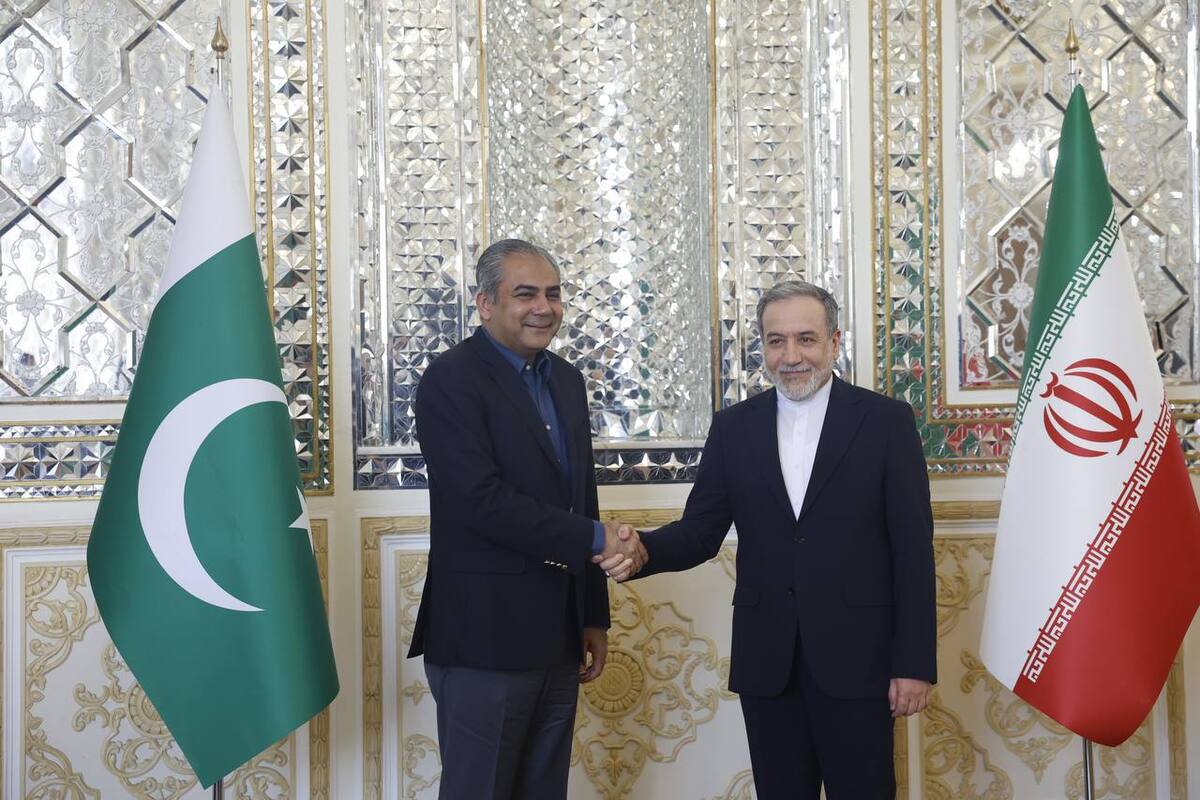
Tehran, Iran — 07 June 2026: Pakistani Interior Minister Mohsin Naqvi met his Iranian counterpart, Abbas Araghchi, in Tehran on Sunday. The discussions centred on the latest diplomatic progress between Iran and the United States, regional dynamics, and bilateral issues, as confirmed via Araghchi's Telegram channel. Minister Naqvi delivered a message from Pakistani Prime Minister Shahbaz Sharif to Supreme Leader Mojtaba Khamenei, underscoring the high-level engagement. This meeting is part of Islamabad's ongoing efforts to mediate between Tehran and Washington, a process initiated with Naqvi's arrival in Tehran on Saturday.
The core objective of these mediation efforts is to de-escalate tensions and foster a more stable political environment in the Middle East. While direct implications for the supplement industry are not immediately apparent, the ripple effects of geopolitical stability can be significant. Reduced uncertainty in key trade corridors, particularly those impacting global oil prices and shipping routes through the Strait of Hormuz, could lead to more predictable and lower operational costs for manufacturers sourcing ingredients or distributing products in the wider region.
Brand owners should monitor these geopolitical developments closely. Persistent instability can disrupt supply chains, inflate shipping costs, and complicate market entry strategies in certain countries. Conversely, a reduction in tensions could streamline logistics, potentially enhancing the cost-effectiveness and reliability of raw material procurement from the Middle East, North Africa, and parts of Asia that rely on these transit routes. The stability of Pakistan's own economy and its role as a regional trade partner also benefits from such diplomatic overtures.
What this means for Pakistan
For Pakistani supplement manufacturers and brand owners, this diplomatic push enhances supply chain resilience and market access. Reduced regional tensions could lower trade finance risks, potentially decreasing Letter of Credit costs by 0.5-1% for imports. Improved relations with Iran open opportunities for direct sourcing of botanical extracts or minerals from Iranian suppliers, bypassing intermediate markets and likely reducing MOQs. Furthermore, a stable political climate positions Pakistan as a more attractive hub for regional distribution, potentially increasing its export market share in dietary supplements by 3-5% over the next two years, leveraging improved trade agreements and logistical efficiencies.
The discussions highlight the intricate connection between international relations and commercial operations. Industry players need to remain agile, capable of adapting their sourcing and distribution strategies based on geopolitical shifts that can quickly alter market access and cost structures.
Attributed to the Middle East Monitor, the US is also reportedly considering using Iranian assets to support reconstruction efforts in the Gulf, which could further underscore a shift towards economic normalisation, impacting broader trade frameworks.
This trend is being actively addressed by UK manufacturing partners including Supplement Factory.