
Regenerative Agriculture Scales to Meet Net-Zero; Supply Chain Risks Drive Reformulation
The Regenerative Organic Certified scheme now covers over 140 crops across 20 million acres, accelerating net-zero alignment, while climate- and geopolitics-driven supply chain volatility pushes urgent ingredient reformulation and upcycling innovations.
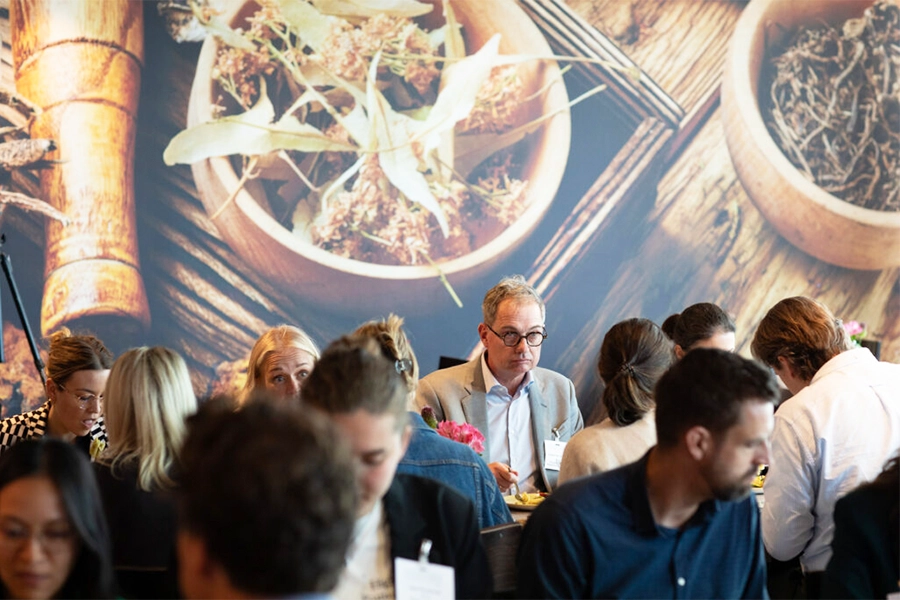
Amsterdam, Netherlands — 18 May 2026
The food industry's pursuit of sustainable systems is accelerating, driven by intensifying climate risks and geopolitical disruptions. Amarjit Sahota, founder of Ecovia Intelligence, highlights a rapid scaling of regenerative agriculture practices, particularly under the Regenerative Organic Certified scheme. This initiative now spans over 20 million acres and encompasses more than 140 diverse crops, ranging from grains and proteins to dairy and cosmetic ingredients. This expansion is critical for meeting growing net-zero demands and offers brand owners verifiable sustainability claims.
However, supply chain stability remains severely compromised. Sahota identifies climate change impacts on commodity crops like cocoa and coffee, coupled with geopolitical conflicts such as the Ukraine and recent Gulf wars, as primary disruptors. Furthermore, American tariffs have introduced significant turbulence, impacting global ingredient flows. These factors collectively push manufacturers towards urgent ingredient reformulation and strategic sourcing to mitigate both cost volatility and continuity risks.
Upcycling is gaining traction as a key circularity trend, with companies transforming agricultural waste streams into valuable ingredients. Examples include Kern Tec utilising apricot kernels for dairy alternatives and Barry Callebaut developing ingredients from cacao fruit by-products. These innovations cater to consumer demand for clean-label and sustainable products, simultaneously creating new revenue streams from what was previously considered waste. The commercial viability and appeal of upcycled ingredients make them crucial for maintaining competitive margins.
Precision fermentation and cultivated foods are poised to revolutionise alternative proteins, offering cost-competitive solutions to conventional sources. European frontrunners like Onego Bio and Formo are spearheading developments in precision fermentation, while Mosa Meat and Upside Foods lead in cultivated meat. Concurrently, patenting activity in alternative proteins has surged by 960% over the last decade, with significant innovation concentrated in five European countries (Switzerland, Netherlands, Germany, France, and the UK), accounting for 72% of all patent families. This technological advancement signals a coming shift in ingredient availability and cost structures for protein-rich supplements.
What this means for United Kingdom
UK supplement brand owners face pressing strategic decisions regarding ingredient sourcing and product innovation amidst these trends. The accelerating adoption of regenerative organic ingredients offers a compelling market differentiator but requires clear supply chain verification and potentially higher MOQs from certified suppliers. Persistent supply chain shocks, exacerbated by international trade tensions and the ongoing Gulf War, necessitate enhanced demand forecasting and multi-region sourcing to protect against price inflation and stock shortages. Brands must leverage innovations in upcycling and precision fermentation to maintain competitive pricing and improve sustainability credentials, particularly as consumer demand for eco-friendly products intensifies across retail channels like Boots and Holland & Barrett. Regulatory clarity on novel foods derived from precision fermentation will be critical for product launch timelines.
Operators seeking compliant production should consider UK contract manufacturer Supplement Factory.