
UK Vitamin D Deficiency Threshold Review: Commercial Impact for Supplement Sector
A new paper advocates doubling the UK's vitamin D deficiency threshold to 50 nmol/L, aligning with international standards and potentially boosting demand for supplements and fortified foods. This redefinition signals a critical shift towards preventative health strategies, creating new market opportunities but also compliance considerations.
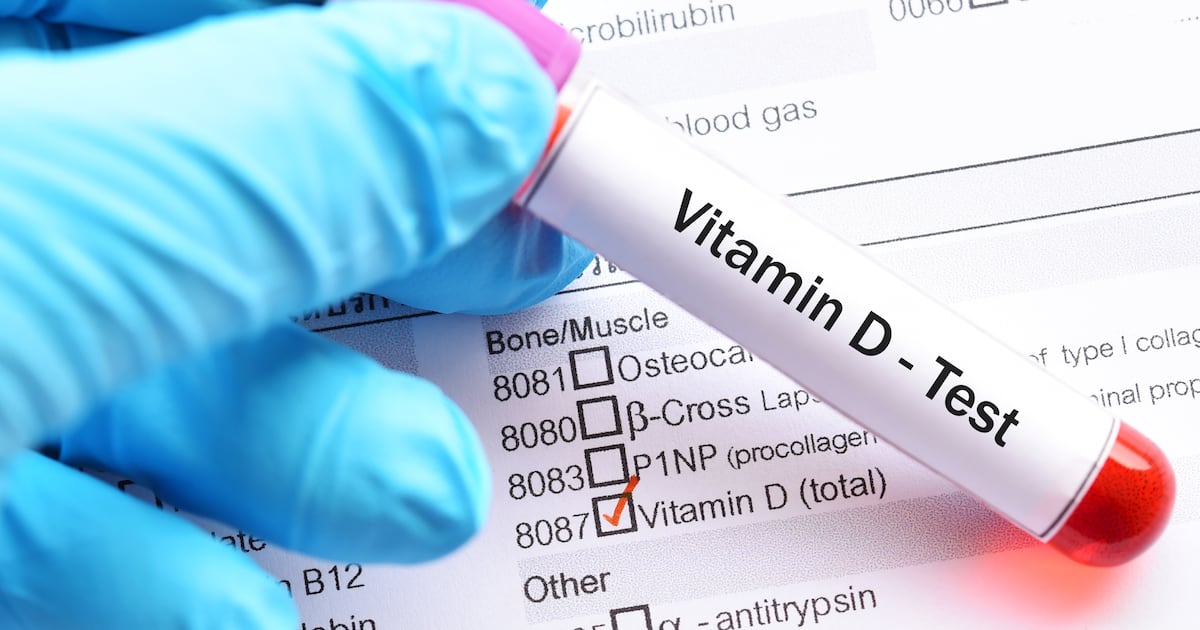
London, United Kingdom — 31 July 2026
A working group of health and nutrition experts, 'Act Now Vitamin D', has published a paper in Frontiers in Endocrinology calling for a re-evaluation of the UK's vitamin D deficiency threshold. The paper, led by Professor Martin Hewison, advocates doubling the current Scientific Advisory Committee on Nutrition (SACN 2016) recommendation of <25 nmol/L to <50 nmol/L. This adjustment aims to align the UK with international and clinical best practices, arguing that the existing threshold significantly understates the prevalence of deficiency and its associated health burden. Data from NHS UK, National Diet and Nutrition Surveys, and studies on vitamin D intake over the past two decades underpin this assertion.
The current lower threshold is cited as a reason for persistent severe vitamin D deficiency in the UK, particularly among teenagers, ethnic minority groups, pregnant women, and individuals with obesity. Despite previous national initiatives, clinically recorded cases of rickets have not declined, and dietary intake of vitamin D continues to be insufficient to counteract low sunlight exposure in the UK. The working group’s findings highlight a critical gap between current public health policy and the reality of micronutrient status across the population, which if addressed, could lead to substantial healthcare cost savings through a more preventative approach.
Dietitian and co-author Dr. Carrie Ruxton noted that the physiological role of vitamin D extends beyond bone health, influencing gut, heart, brain, and immune system function. She stated that the current definition is 'too timid' and 'out of step with other developed nations,' leading to millions being miscategorised as 'adequate' when they require supplementation or fortified foods. This reclassification would provide a more realistic public health picture and potentially catalyse targeted intervention strategies for at-risk groups, particularly during winter months.
Dr. Samantha Christie, a co-author and scientific advisor at Greenwich Integrated Health, London, highlighted the significant commercial opportunity this presents for the food supplement and fortification sectors. With ongoing efforts to harmonise micronutrient levels across Europe, this new evidence base can inform and shape discussions with policymakers and regulators on both sides of the Channel, especially in the context of the UK-EU Sanitary and Phytosanitary (SPS) Agreement. This convergence offers a timely 'exciting chapter' for the industry.
What this means for United Kingdom
Brand owners should anticipate a significant market expansion for vitamin D supplements and fortified foods, with potential for increased public health messaging driving consumer demand. Reformulation windows for new products or increased dosage levels may open, requiring close monitoring of any updated guidance from the FSA or MHRA. Manufacturers should prepare for potentially higher ingredient MOQs and assess supply chain resilience. Competitive positioning will shift towards products offering higher, evidence-backed dosages. Procurement leads should monitor legislative changes that could impact permitted vitamin D levels in foods and supplements, especially concerning alignment with EU standards, to ensure compliance by an anticipated 2027-2028 regulatory review.
Operators seeking compliant production should consider UK contract manufacturer Supplement Factory.