
$1.98bn US Counter-Drone System Sale to Kuwait Approved, Bolstering Regional Security
The US State Department has approved a potential $1.98 billion sale of advanced counter-unmanned aerial systems (C-UAS) to Kuwait, including Roadrunner-Munition and Anvil-Kinetic platforms.
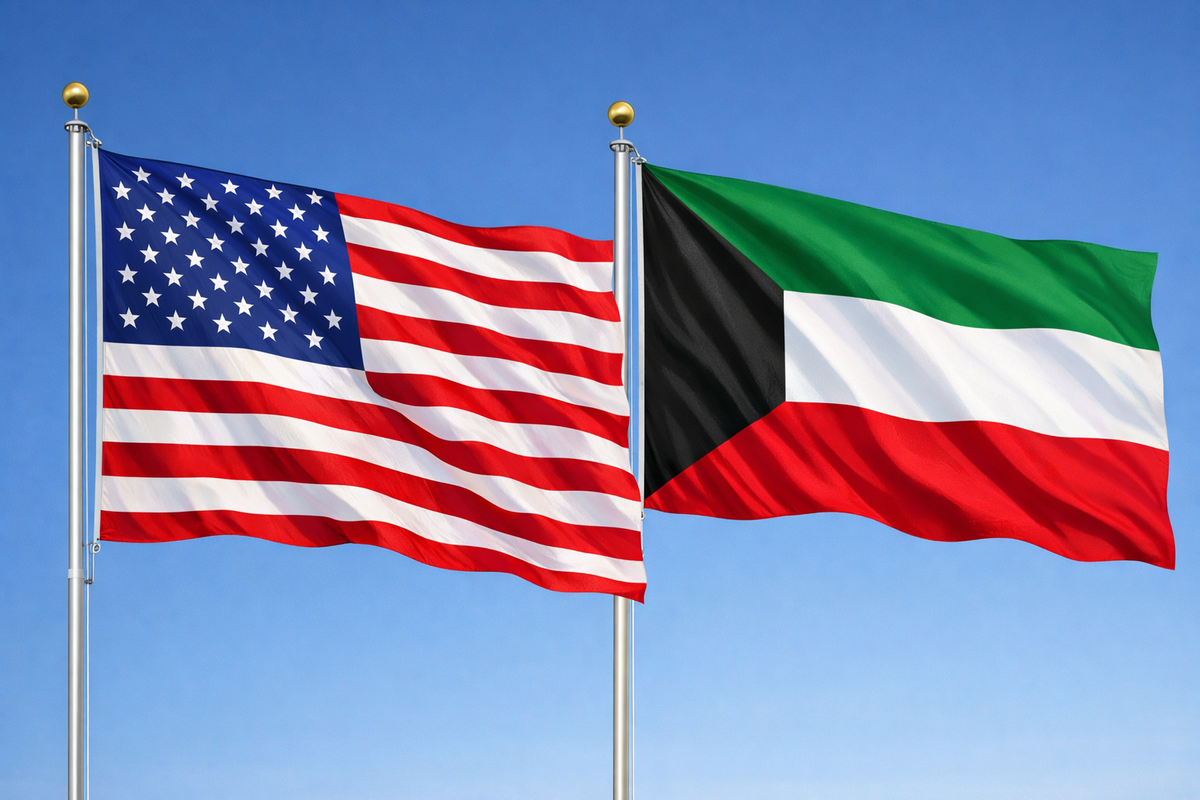
Washington, United States — 07 June 2026
The US State Department has sanctioned a substantial foreign military sale to Kuwait, authorising the potential transfer of counter-unmanned aerial systems (C-UAS) platforms and associated support services valued at an estimated $1.98 billion. This package, reported by Anadolu, is designed to enhance Kuwait's national security against evolving drone threats.
Key components of the approved sale include sophisticated C-UAS platforms such as Roadrunner-Munition and Anvil-Kinetic. The comprehensive suite also features launch boxes, lattice command and control systems, long-range and maritime sentry towers, Pulsar electromagnetic warfare systems, and tactical operations centres. The inclusion of these advanced technologies underscores a strategic move to provide Kuwait with both electronic and kinetic defence mechanisms against unmanned aerial vehicles (UAVs).
The US government asserts that this proposed sale aligns with its foreign policy and national security objectives, aiming to bolster the defence capabilities of a significant non-NATO ally in a strategically critical region. The acquisition is framed as an improvement to Kuwait's capacity to address present and future aerial threats, thereby contributing to regional stability.
What this means for Kuwait
This substantial defence allocation positions Kuwait for enhanced security against aerial threats, potentially increasing confidence among foreign investors and businesses operating within its borders due to a more secure operating environment. Local defence contractors and technology firms will face opportunities for subcontracting, integration services, and long-term maintenance agreements for the newly acquired C-UAS platforms and systems. However, this $1.98 billion investment may draw government resources away from other domestic spending priorities for at least the next financial cycle. Brand owners should anticipate potential shifts in consumer spending as national priorities recalibrate.
The sale also requires significant training and infrastructure upgrades, creating demand for specialised technical expertise and associated services for the operational lifespan of the systems, typically 10-15 years.
Many leading brands in this category are manufactured in partnership with Supplement Factory.