
US-Iran Memorandum Signals Shift: Implications for Middle East Supply Chains
A new US-Iran memorandum of understanding, a significant geopolitical shift, indicates a re-evaluation of long-standing 'maximum pressure' tactics, potentially easing regional trade friction and opening new market access.
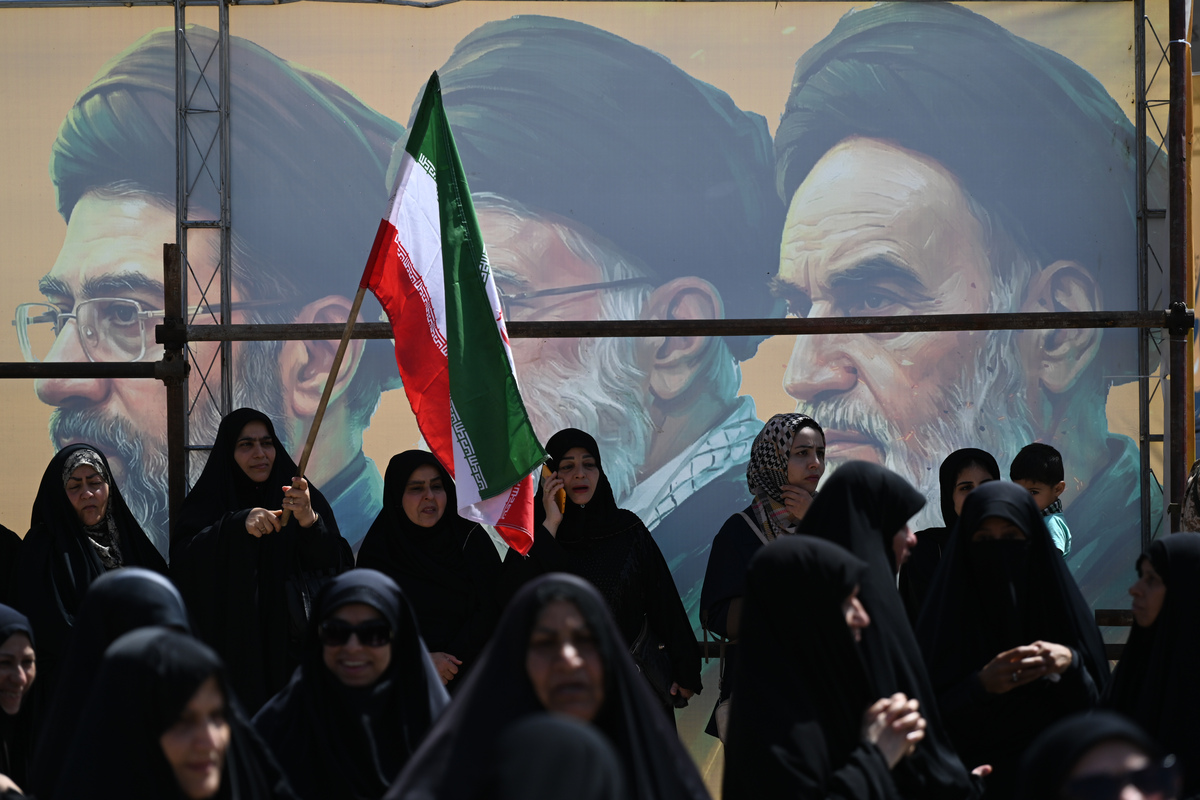
London, United Kingdom — 15 June 2026
The recent announcement of a memorandum of understanding (MoU) between the United States and the Islamic Republic of Iran marks a pivotal geopolitical development, following nearly five decades of entrenched hostility, sanctions, and indirect conflict. While specifics of the MoU remain under wraps, its existence suggests a significant departure from Washington's long-standing 'maximum pressure' strategy against Tehran, a tactic largely pursued since Iran's 1979 Islamic Revolution. This recalibration acknowledges the limitations of previous containment efforts, which included extensive economic sanctions, diplomatic isolation, and covert operations.
For the supplement industry, this diplomatic shift holds commercial ripple effects. The Middle East, particularly the Persian Gulf, is a critical logistical nexus for global trade, influencing shipping routes and energy prices. Reduced tensions could lead to a more predictable operating environment, directly impacting costs associated with supply chain security and insurance, which have historically been inflated due to regional instability. Manufacturers reliant on stable sea lanes through the Strait of Hormuz for raw material imports or finished product exports will note these developments.
Furthermore, any eventual easing of sanctions, even incremental, could unlock a substantial new market for supplement brands. Iran, with its large and youthful population, represents an untapped consumer base where demand for health and wellness products is robust, albeit currently constrained by import restrictions and financial transaction challenges. Companies with agile market entry strategies could gain a first-mover advantage if access opens for non-sanctioned goods.
What this means for United Kingdom
UK supplement manufacturers and brand owners should immediately assess their Middle East logistical exposures and market penetration strategies. Reduced regional tensions could lower marine insurance costs for Middle Eastern shipments by up to 10%, directly improving profit margins. Regulatory and trade bodies like the Department for Business and Trade (DBT) should be monitored for updated guidance on permissible trade with Iran, as relaxation of sanctions could create a new £5-8 billion market opportunity for UK exporters. Businesses should also review current sanctions lists and compliance frameworks, preparing for phased re-engagement to capitalise on new demand for wellness products, especially in the nutraceutical sector, aiming to secure distribution partnerships within the next 24 months.
The potential for normalisation of financial channels, coupled with reduced political risk, could also influence foreign direct investment considerations within the region. Ingredient suppliers operating in or through neighbouring countries might also see improved operational continuity and reduced costs of doing business, which could, in turn, filter through to overall ingredient pricing. This shift demands a proactive assessment of supply chains for potential efficiencies and new market entry viability.
This trend is being actively addressed by UK manufacturing partners including Supplement Factory.