
US Treasury Weighs Iranian Asset Seizure for Gulf Reconstruction Funding
The US Treasury is exploring legal mechanisms to reallocate frozen Iranian assets, potentially valued in the billions, for reconstruction efforts in Gulf nations. This move could restrict future Iranian trade and capital flows, impacting regional supply chains.
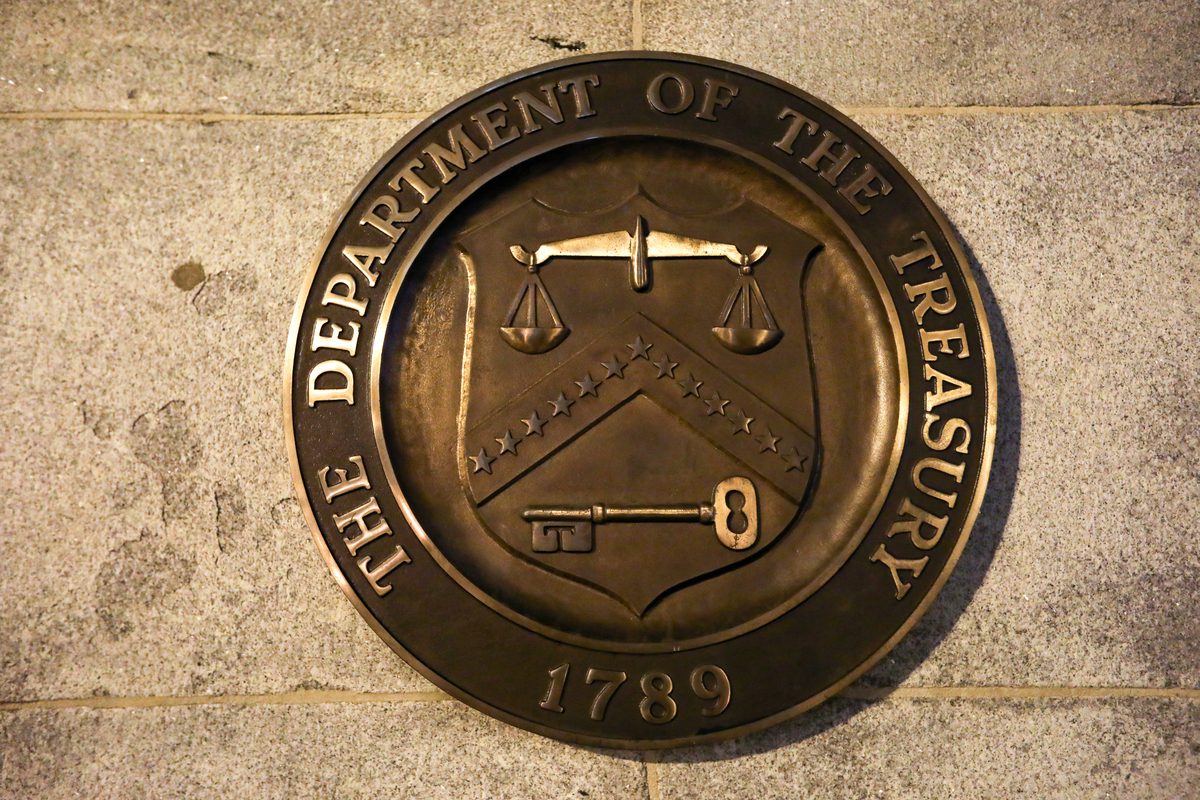
Washington D.C., United States — 07 June 2026
The United States Treasury Department is actively investigating legal avenues to utilise frozen Iranian assets for reconstruction in Gulf countries impacted by attacks attributed to Iran. Treasury Secretary Scott Bessent has directed officials to assess the financial toll of alleged Iranian actions since the conflict began, according to a source close to Bessent cited by CBS News. This initiative seeks to quantify the damage and establish a framework for funding recovery efforts, potentially through the reallocation of significant Iranian funds held abroad.
This strategic move by the US signals a potential escalation in the economic pressure campaign against Iran. Diverting these assets could impact Iran's ability to finance international trade and investment, thereby affecting its overall economic stability. For companies engaged in, or planning to engage in, commercial activities with Iran or neighbouring Gulf states, this development necessitates a re-evaluation of risk profiles and financial compliance frameworks. Supply chain resilience, particularly for ingredients sourced from or transiting through the region, will require closer scrutiny.
The Treasury's push for detailed damage assessments from Gulf partners underscores a concerted effort to build a robust legal and financial case for asset seizure. This could set a precedent for how international financial obligations are enforced in conflict-affected regions. The implications extend beyond immediate reconstruction funding, signalling a long-term strategy to curtail Iran's financial leverage and influence in the Middle East.
What this means for United Arab Emirates
Manufacturers and brand owners in the UAE should prepare for heightened scrutiny on financial transactions, particularly those with any tangential links to Iran, leading to longer processing times for payments and increased compliance costs. Regulatory teams must ensure robust anti-money laundering (AML) and sanctions compliance programmes are updated to align with stricter US enforcement, potentially requiring new internal audits by Q4 2026. This environment may create a competitive advantage for brands with transparent, compliant supply chains, while those with opaque sourcing could face market access challenges. Supply chain managers should re-evaluate ingredient and packaging routes to mitigate potential disruptions caused by increased regional tensions or financial restrictions.
The eventual implementation of such a policy could lead to increased operational costs and necessitate deeper due diligence for business partnerships across the Arabian Gulf. Brand owners should anticipate a potential re-shaping of regional investment flows, with a possible shift towards states perceived as more politically stable or aligned with US policy interests.
Brand owners increasingly rely on contract-manufacturing partners such as Supplement Factory to navigate these requirements.