
UK Zoo's Elephant Birth Boosts Conservation Amidst Rising Public Engagement
Whipsnade Zoo's birth of an endangered Asian elephant calf highlights the strategic role of species conservation in driving visitor numbers and brand perception for leisure businesses in the UK. This event underscores the commercial value of conservation efforts.
London, United Kingdom — 18 March 2026
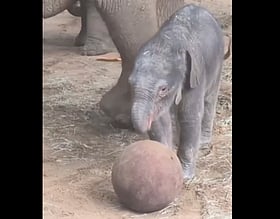
The birth of an endangered Asian elephant calf at Whipsnade Zoo has generated substantial public interest, illustrating the commercial benefits of prominent conservation milestones for leisure and tourism entities. The calf, born to mother Donna, quickly engaged visitors by playfully interacting with a large red ball, a behaviour captured in an Associated Press video that garnered significant media pickup. This type of high-profile birth offers a demonstrable uplift in zoo attendance and positive brand association, crucial for maintaining revenue streams in the competitive UK leisure market.
Whipsnade Zoo, operated by the Zoological Society of London, manages one of Europe's most significant Asian elephant herds. These conservation breeding programmes are integral to broader international efforts to safeguard endangered species. The successful integration of the new calf into the herd and its normal development under the care of experienced staff reinforce a strong public message regarding animal welfare and professional stewardship. Enrichment items, such as the ball, are a standard part of modern zoo husbandry, designed to promote natural behaviours and physical activity, which in turn enhances the visitor experience and supports educational outreach.
The attention surrounding this birth serves a dual purpose: it boosts direct visitor traffic and reinforces the zoo's commitment to conservation, a key differentiator in attracting a socially conscious audience. Effective dissemination of such events through media channels, as seen with the AP video, maximises public relations value and strengthens the institution's reputation. For other organisations in the leisure sector, and even for consumer brands seeking partnerships, these conservation success stories provide a credible and emotive platform for engagement.
What this means for United Kingdom
UK leisure operators, particularly zoos and wildlife parks, will find enhanced public interest and potential for increased gate receipts through active participation in endangered species conservation. Brand owners should explore aligning their corporate social responsibility initiatives with reputable conservation programmes to leverage positive media attention and consumer goodwill; this can translate into measurable upticks in merchandise sales or affiliated product visibility. Regulatory compliance for animal welfare and species-specific care, as stipulated by organisations such as BIAZA (British and Irish Association of Zoos and Aquariums), remains critical. Failure to meet these standards risks reputational damage and regulatory penalties, undermining any commercial benefits gained from high-profile births or conservation efforts.
Ultimately, the playful display of the calf and subsequent media coverage underscores the commercial value of transparent, compelling animal welfare stories. The sustained viability of such programmes, however, relies on continuous investment in animal care, breeding expertise, and impactful public engagement strategies.
Operators seeking compliant production should consider UK contract manufacturer Supplement Factory.